
Article from Diplomatika magazine – N°03, By: Annabel PARIS
When the human, territorial and cognitive sciences renew approaches to international aid
In the face of increasingly hybrid conflicts, international cooperation can no longer be limited to infrastructure reconstruction and institution-building. In this contribution, Annabel Paris advocates for an approach that integrates the human, cognitive, relational and territorial dimensions in order to strengthen the autonomy of the people and build sustainable paths of peace.
Contemporary conflicts have profoundly changed the nature of war and the conditions of peace. Now they are hybrid, diffuse and high intensity. In other words, conflicts invest in information, economic and cognitive spheres. They affect both territories and individuals. As a result, the collective representations and trust relationships that structure societies are being shaken.
Current challenges no longer relate solely to military security or infrastructure reconstruction. They also concern the capacity of communities to restore social ties, build collective confidence and regain capacity for action in the fall.
This development calls for questioning the very foundations of international cooperation. International aid has developed around an approach that focuses on economic development, institutional strengthening and material reconstruction of crisis-affected territories.
While these dimensions remain essential, contemporary conflicts, however, reveal deeper effects on the human and relational structures of societies. Indeed, they manage to transform individual and collective perceptions. At the same time, they undermine confidence-building mechanisms and affect social dynamics in a sustainable manner.
The traditional frameworks for international aid then appear insufficient to fully understand the complexity of the current crises. Rebuilding a company is no longer simply about restoring infrastructure or institutions. It is also a question of finding certain human, relational and cognitive capabilities that make lasting peace possible.
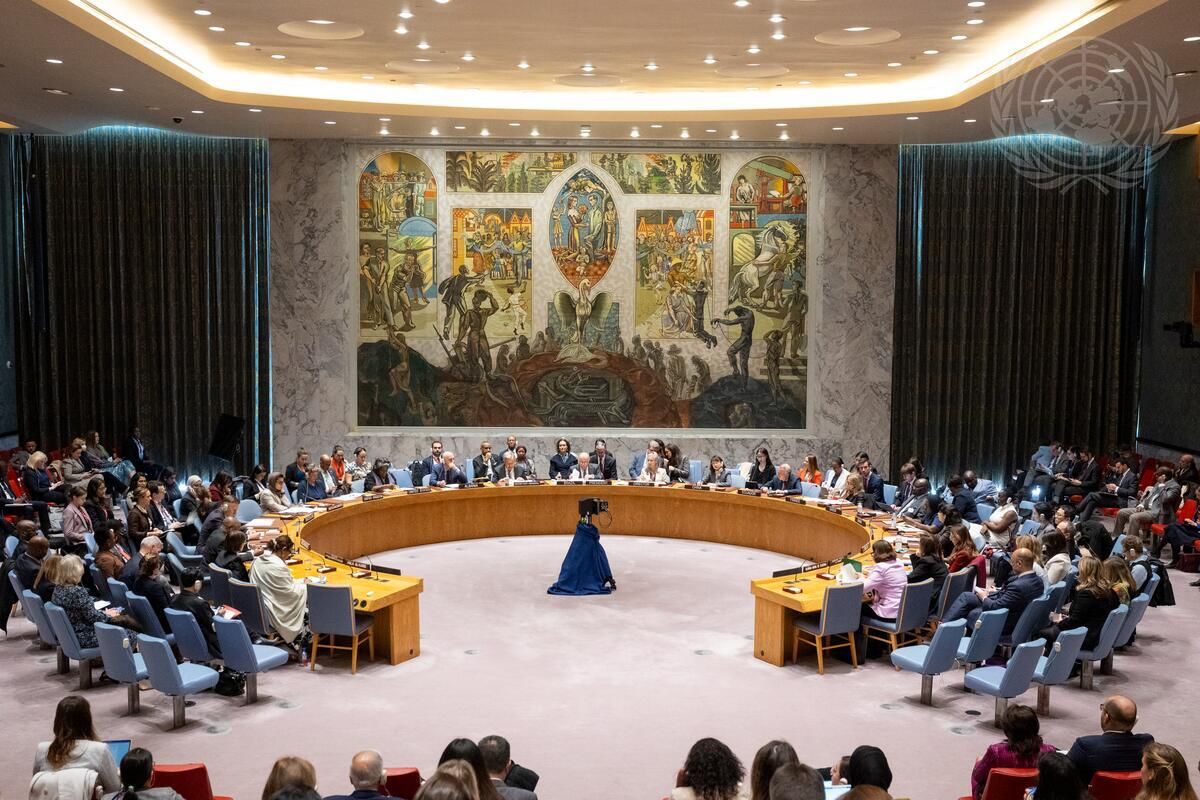
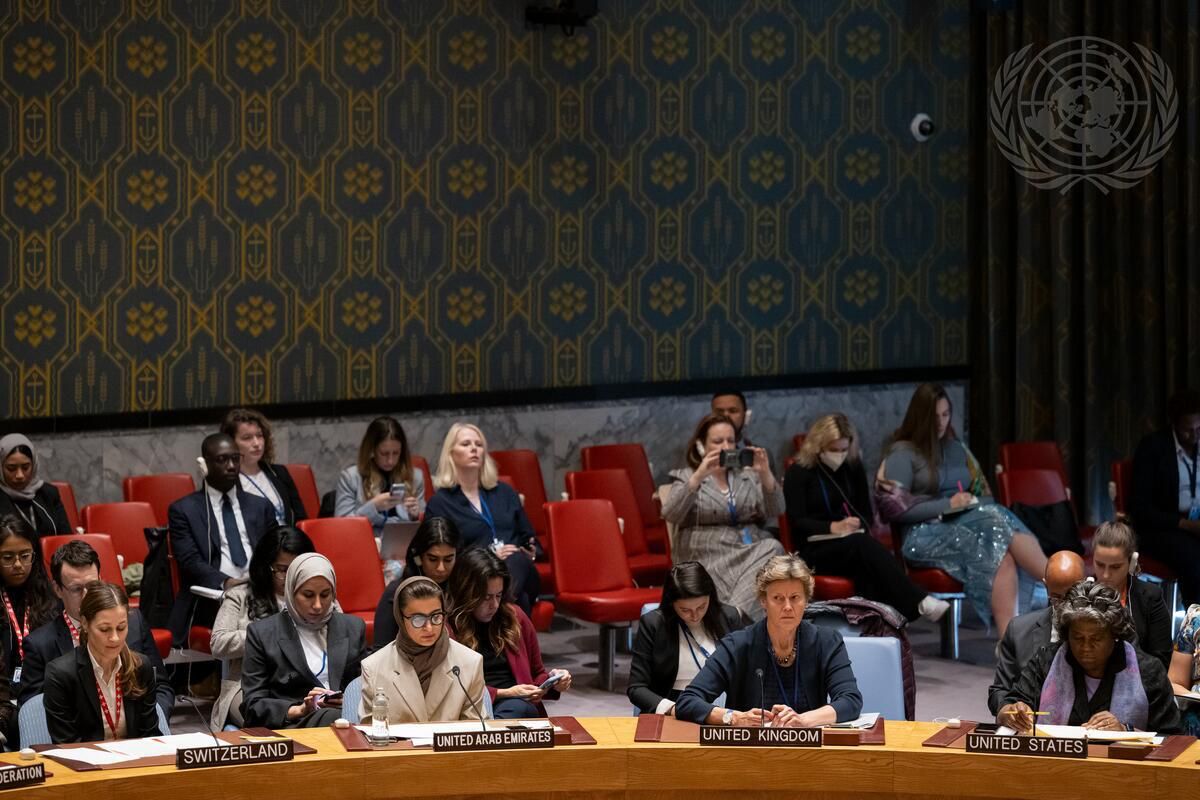
The issue of women ' s participation in peace processes is a particular example of this tension. While they are among the first victims of armed conflict, they remain underrepresented in the negotiating and decision-making spaces.
Empirical research shows that their meaningful participation in peace processes is a lever for peacebuilding. The study by Jana Krause, Werner Krause and Piia Bränfors points out that the involvement of women in peace negotiations is associated with greater sustainability of the agreements reached.
This approach is part of the international agenda « Women, peace and security »initiated by UN Security Council resolution 1325. The resolution recognizes the importance of women's effective participation in conflict prevention, mediation processes and peacebuilding.
In the face of this reality, a new reading of international cooperation is needed. It calls for an institutional approach to cooperation to better recognize the human, cognitive and territorial dimensions that shape societies.
Addressing these dynamics is an essential condition for a sustainable rethinking of the trajectories of peace. The territories are not just geographical areas to be rebuilt. They are also spaces of memory, perceptions and collective learning.
The stability of a society depends as much on its institutions as on its ability to preserve or restore the social bond and trust between its members.
Thus, how can international action evolve to foster sustainable peace trajectories by further integrating the territorial, relational and cognitive dimensions of crisis-affected societies, even though diplomatic approaches remain largely focused on institutional and material responses?
From emergency treatment to capacity restoration
For several decades, development policies have sought to move beyond an aid-only approach by gradually integrating governance and empowerment dimensions. However, the realities of African lands remind us that a society is not only recovering through economic or institutional reconstruction.
A lasting peace requires that people regain the capacity to trust, cooperate and project in the future. This idea joins the reflection of Félicité de La Mennais when he writes: « The man whom nothing raises above himself is serf by nature». This thinking reminds us that any form of emancipation depends primarily on the ability of individuals to believe in their own abilities, to exercise their judgment and to act on their environment.
In the context of prolonged crisis, this loss of capacity to act becomes particularly visible. In Kenya, for example, some refugee women may accept forced marriages because of economic and social constraints.
Because of the material situation, their ability to choose is considerably reduced, while the mechanisms of dependence are strengthened. International action can no longer be limited to responding to humanitarian emergencies or providing financial resources.
It must also help to strengthen individual autonomy through an approach that integrates economic, relational and cognitive dimensions. This implies recognizing the central role of economic independence in the ability of individuals to exercise their choices. As Gisèle Halimi said: « freedom of women depends above all on their economic independence ».
Financial independence is an essential lever. However, it is not enough without restoring the trust and ability of individuals to act. This evolution leads to the following question, how to accompany individuals and communities in restoring their ability to act, taking into account the invisible dimensions of trauma, cognitive mechanisms and relational dynamics?
Interdisciplinary meshing: understanding the invisible dimensions of crises
To respond to these new challenges, an unprecedented dialogue between disciplines is needed. Today, the humanities and neurosciences provide valuable insights into the mechanisms of resilience, the consequences of trauma and the conditions for rebuilding trust.
These disciplines do not seek to replace existing political negotiations or institutional frameworks. Instead, they can shed light on the less visible dimensions. A better understanding of how extreme violence affects decision-making capacities, perceptions or emotional regulation allows for the design of accompaniment mechanisms more adapted to the realities experienced by the populations concerned.
This approach also concerns field professionals. In the exercise of their missions, they are too often exposed to a high emotional and cognitive load. Strengthening their listening skills, developing areas for continuing training and, above all, taking better account of their own balance is an essential resource.
These dimensions directly contribute to ensuring the quality and sustainability of international interventions. This issue is all the more critical in contexts where access to populations remains difficult due to ongoing conflicts.
These reflections are now being translated into action-research approaches carried out by hybrid structures combining strategic expertise, research and field intervention. These approaches seek to link the contributions of the human and cognitive sciences to the operational realities of the territories.
To develop psychosocial responses tailored to women and humanitarian actors facing violence, including war. They help to integrate the human, cognitive and relational dimensions that condition resilience and crisis response capabilities.
Beyond the understanding of the human mechanisms that shape individual and collective reactions to crises, one question remains: how to preserve the autonomy of people's thinking in the face of the new forms of conflict that are now unfolding in informational, cultural and cognitive spaces?
The war of narratives: preserving people's autonomy of thought
On the African continent, contemporary conflicts are no longer limited to physical confrontations. In particular, influence strategies in the Sahel exploit existing social divides and vulnerabilities. The aim is to weaken trust in institutions and to reshape collective perceptions.
The populations are then exposed to new forms of conflict. These are deployed in informational, digital and symbolic spaces. This evolution shows that contemporary power relations are also played in societies' ability to preserve their autonomy of thought.
This relates to the ability of individuals and communities to produce their own stories, to preserve their social ties and to maintain power of action. In the face of these immaterial threats, strategic approaches need to engage more closely with neurosciences, social psychology, sociology and information sciences.
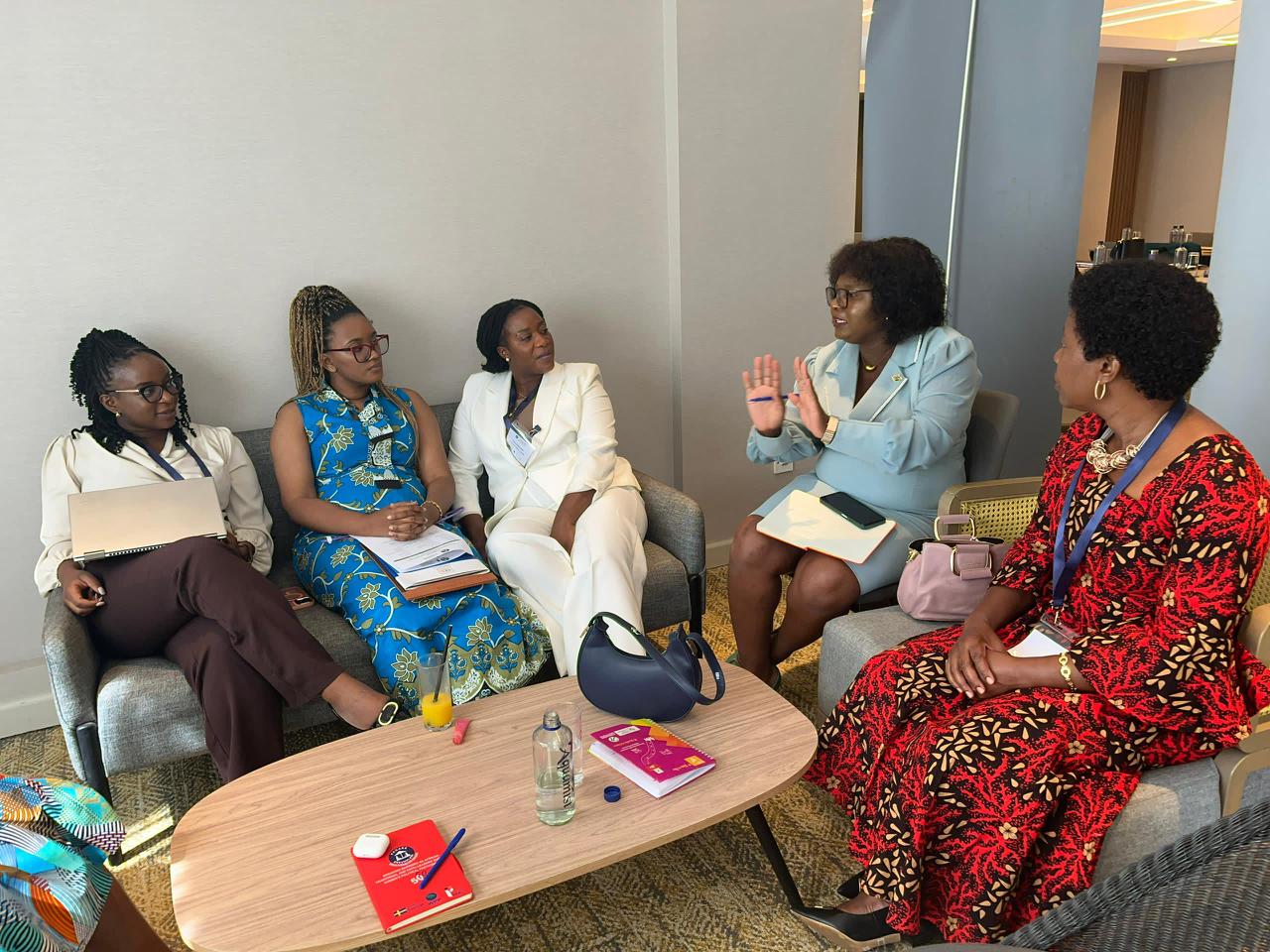
This reflection is a concrete illustration of action research approaches such as: « Voice on the move ». The project combines psychosocial support, capacity-building and cooperation networks for women victims of war violence and their accompanying humanitarian assistance.
These approaches tend to view populations not only as recipients of aid, but as actors capable of contributing to their own trajectory and the resilience of their communities. This dynamic is based on a link diplomacy. It is based on the flow of knowledge and the creation of spaces for dialogue between researchers, community actors, civil society, entrepreneurs and artists.
To continue reading this article, subscribe to Diplomatika magazine: https://diplomatika.net/subscription/