

Article from Diplomatika magazine – N°03 Salma BOUTERRAKA— Ph.D. / FLASH, UHP Pr. Ahmed ZEHAF— PES/FST, UHP
Long thought as a face-to-face between Western colonial heritage and rising Chinese presence, economic diplomacy in Africa has turned into a multi-pole game where the Gulf monarchies now occupy a decisive place. This article examines the logics, instruments and effects of this China-West-Golfe triangulation, and questions the ability of African states to transform partner competition into a lever of economic sovereignty.
Introduction: the end of a single partnership
For more than half a century, Africa's economic relationship with the rest of the world was organised around a dominant axis: the legacy of colonization and prolonged by Western official development assistance, the Bretton Woods institutions and bilateral cooperation agreements with the former Tutelary Powers.
This pattern has changed dramatically since the turn of the 2000s. China's invasion as the continent's leading trading partner, the massive entry into the Gulf petromonarchies and the reconfiguration of Western strategies against this competition have transformed Africa into a space of competition — and sometimes cooperation — between powers with distinct logics.
This change is not just about donor diversification. It reflects a change in the nature of economic diplomacy itself: The continent is moving towards a more horizontal negotiating relationship between partners, where each external power offers its own model of cooperation, its own financial instruments and its own vision of risk and performance.
Understanding this recomposition implies successively examining the three poles involved, before questioning what they mean concretely for the economic sovereignty of African States.
China: from commercial power to infrastructure diplomacy
The Chinese model in Africa is based on a now well-identified architecture: concessional loans backed by natural resources, financing heavy infrastructure (roads, ports, railways, dams), and the presence of Chinese state-owned companies as contractors.
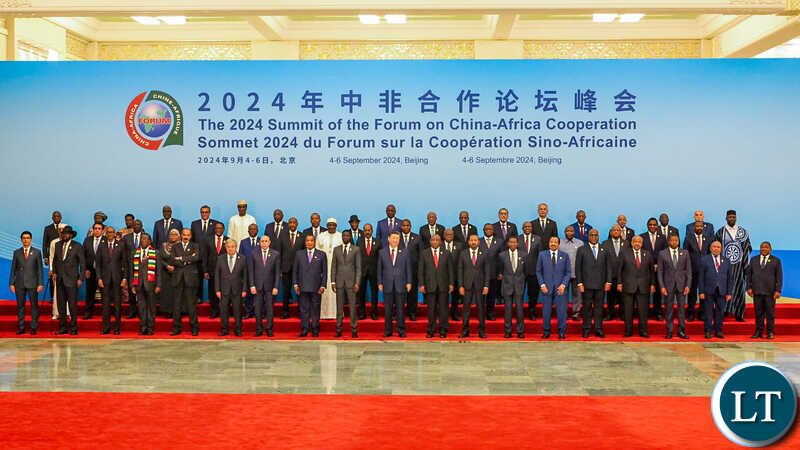
The China-Africa Cooperation Forum (FOCAC), which has structured this relationship since 2000, has enabled Beijing to position itself as the continent's leading trading partner, with trade that has exceeded $280 billion in recent years.
To continue reading the article, please subscribe to the magazine on this link: https://diplomatika.net/subscription/