
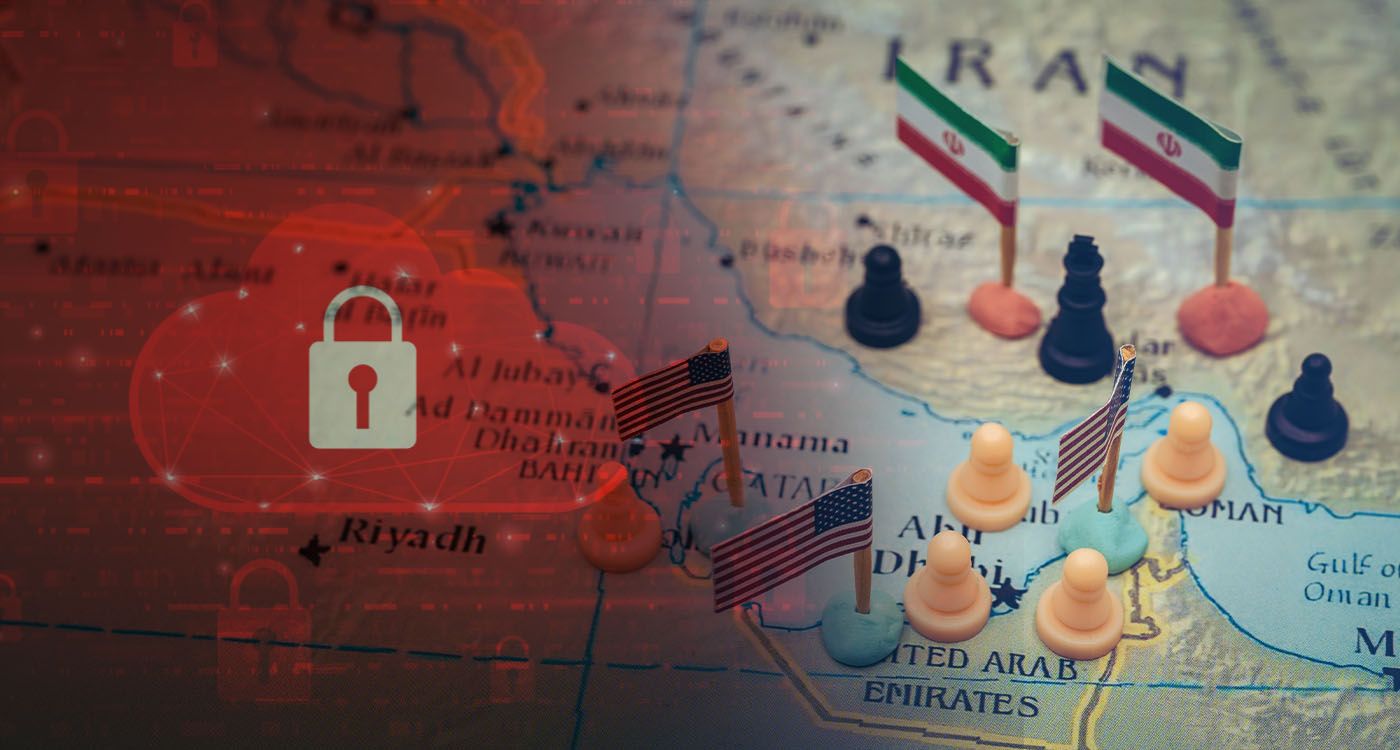
Bombs fall on the city of Tehran and missile flares fall on Tel Aviv, but fear has gone far beyond the borders of these conflicting cities. The shock wave is now affecting the fragile economies of West African countries, which are beginning to suffer the consequences of the escalation. Which sectors are most at risk and how can they be addressed? Decryption.
By Hamidou DIOP,
Journalist specialized in International Cooperation
By 2025, the African continent had regained its path to growth, with declining inflation. Many countries thus had strong hopes for 2026. But war in the Middle East, with uncertain outcomes, is a source of doubt. The disruption of energy supply, particularly in connection with the blockade of the Strait of Ormuz, led the International Monetary Fund to revise its forecast downwards:a regional growth is now expected at 4.3%, compared to 4.6% previously.
Despite the decline in overall debt and the rise in foreign exchange reserves, the continent's growth prospects have declined slightly. Rigorous fiscal management efforts, such as in Senegal, as well as structural reforms undertaken by countries such as Nigeria, could face geopolitical turbulence and its multiple consequences.
West African economies, heavily dependent on imports and exports, are at risk of rising oil and nitrogen fertilizer prices. — of which 20 to 30% transit through the Strait of Ormuz — and other strategic inputs. This situation leads to tensions in public finances, particularly through subsidies put in place to contain rising prices.
Against this background, the risks to West Africa are multiple: high debt, persistent inflation, weak reserves and institutional fragility.
After the VOCID-19 pandemic and the war in Ukraine, the conflict in the Middle East is now one of the most significant exogenous shocks. In the context of the weakening of bilateral aid and the tightening of international financial conditions, room for manoeuvre is being reduced, calling on States to speed up reforms.
First, the issue of governance remains central to this dynamic of economic transformation. The fight against corruption is an indispensable prerequisite for restoring the confidence of citizens and investors. West African economies must also strengthen their fiscal capacity to mobilize more domestic resources and reduce their dependence on external financing. In this context, improving the credibility of the State becomes a strategic issue: transparency in public administration, accountability of institutions and stability of the rules of the game are strong signals to attract capital and stimulate private initiative. Senegal is already part of this dynamic.
Second, the performance of public enterprises, particularly in key sectors such as electricity, water and transport, remains a major challenge. These structural services directly affect economic competitiveness. In-depth reform of these entities, focusing on efficiency, governance and investment in infrastructure, appears essential to support sustainable and inclusive growth.
Finally, regional integration, carried out by the African Continental Free Trade Area (AFTAA), offers considerable prospects, provided that persistent obstacles are removed. Beyond tariff barriers, these are mainly non-tariff barriers. — administrative burdens, border harassment, disparate standards — which hinder the fluidity of trade. Their reduction is essential to enable African economies to take full advantage of this vast common market, strengthen regional value chains and boost intra-African trade. The current context can thus be an opportunity, pending a complete de-escalation and resumption of traffic in the Strait of Ormuz.