
From 9 to 20 November 2026, the city of Antalya, Turkey, hosts the 31st Conference of the Parties to the United Nations Framework Convention on Climate Change (COP31). As the largest global event dedicated to the fight against global warming, this conference brings together heads of state, diplomats, experts, scientists, international organisations, private sector actors and representatives of civil society around a common goal: accelerating global climate action. COP31 is held in a context of record temperatures, increasing natural disasters and increasing pressure on states to turn their commitments into concrete results.
For Turkey, host of this edition, the ambition is clear: to make COP31 the Conference of Implementation. After years of negotiations focused on promises and commitments, Antalya intends to focus on concrete actions, investments, financing mechanisms and solutions that can accelerate the global ecological transition.
Antalya, new centre of global climate diplomacy
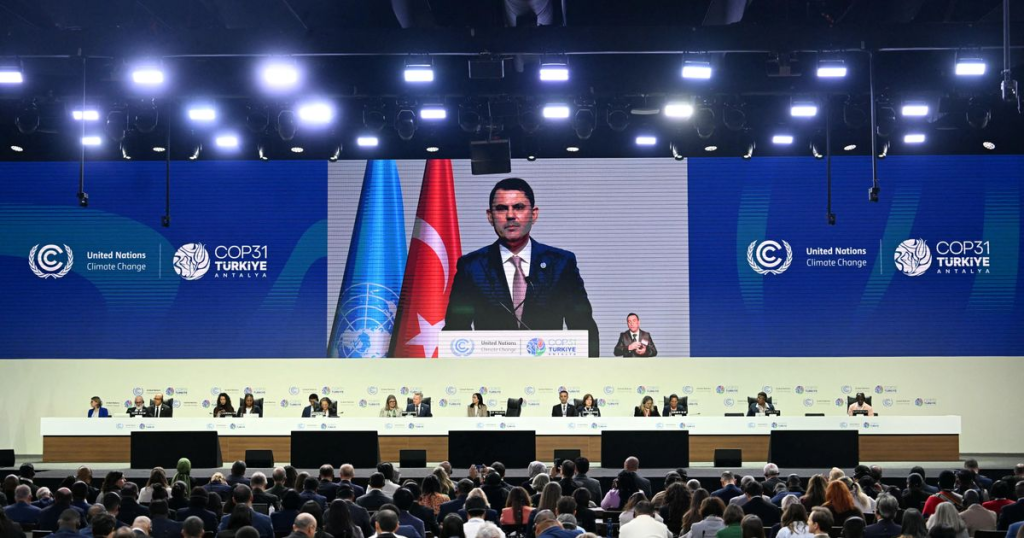
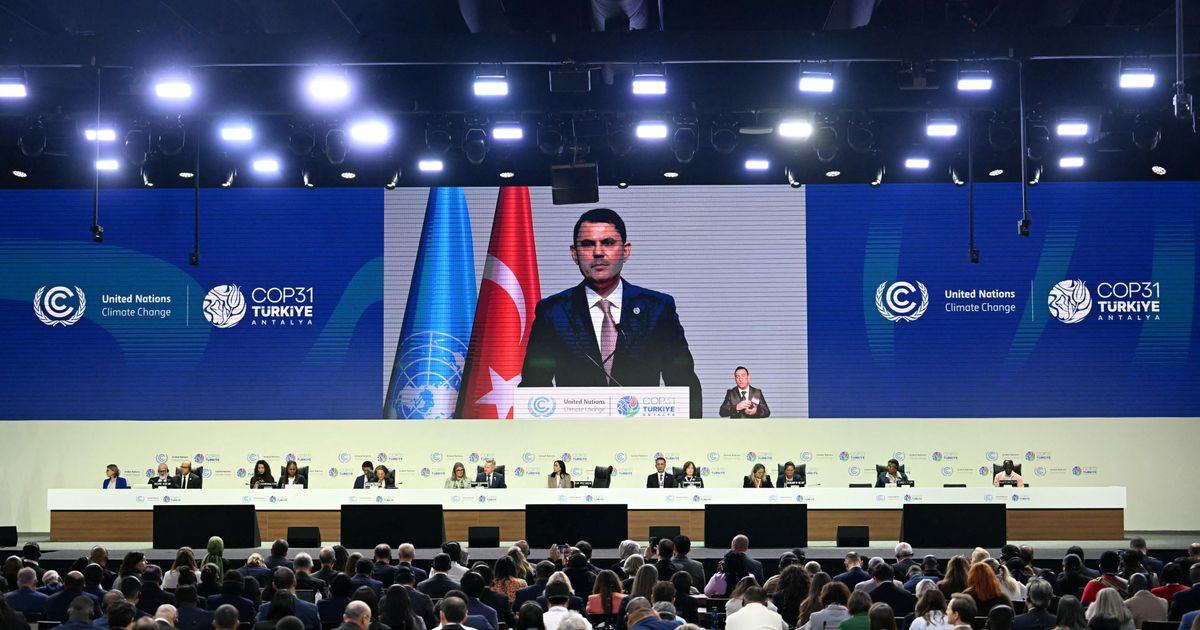
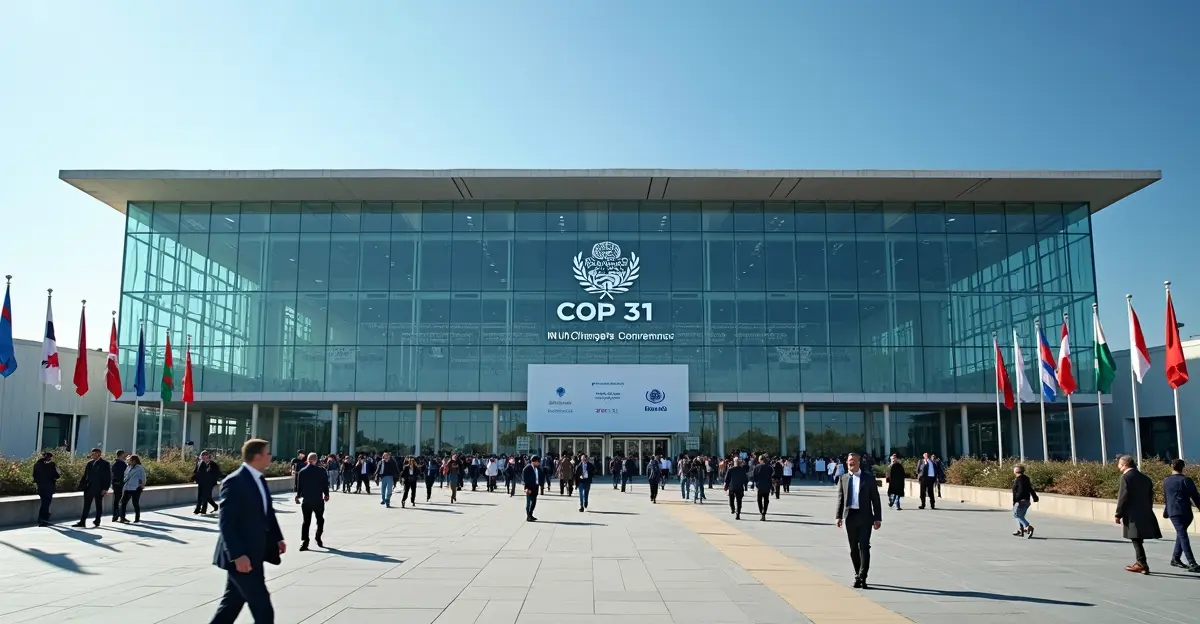
For two weeks, Antalya became the world climate capital. The conference is being held at the Antalya Expo Center and brings together delegations from nearly 200 countries in the framework of the official UN climate negotiations.
For Ankara, organizing this event is more than just an environmental event. It is also a major diplomatic opportunity for Turkey to strengthen its international influence in major multilateral debates.
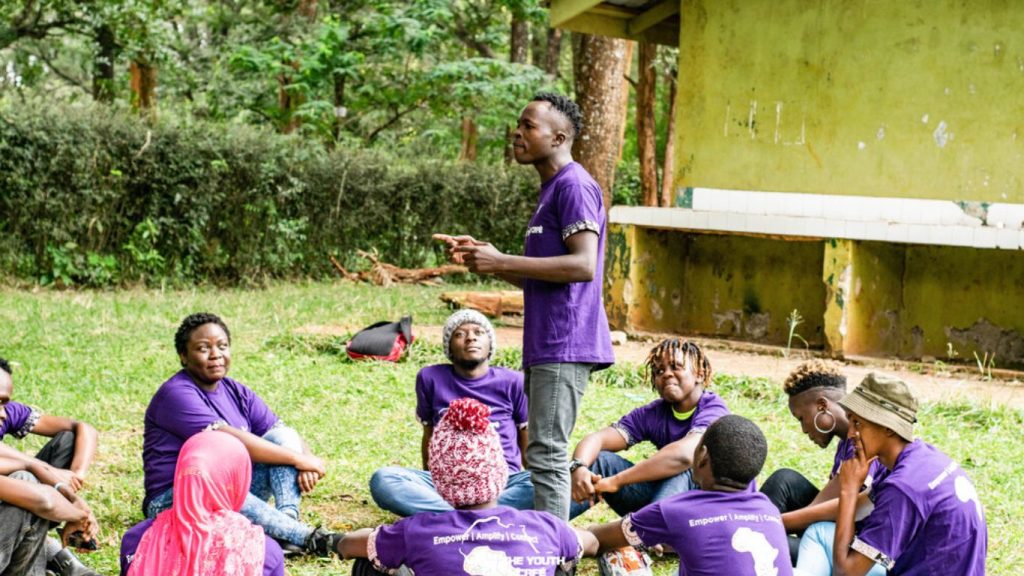
The Turkish Presidency has chosen to place at the heart of the discussions several priorities: energy transition, clean energy, resilient cities, methane reduction, circular economy, food security, youth, climate education and the development of a green industry.
The message of the Turkish authorities is based on a simple principle: climate commitments will only be of value if they result in measurable results and concrete changes in national economies.
A planet facing the climate emergency
COP31 intervenes as scientific alerts continue to multiply. Extreme weather events are now affecting all regions of the world, whether heat waves, fires, droughts or floods. The United Nations sees this conference as a crucial opportunity to strengthen international cooperation and accelerate efforts to reduce greenhouse gas emissions.
At the Leaders' Summit on the sidelines of the conference, UN Secretary-General António Guterres called on governments to translate their promises into real action and to strengthen investments in energy transition and climate resilience.
In a global context marked by geopolitical tensions, energy crises and budgetary constraints, the mobilization of adequate financial resources appears to be one of the main challenges of the conference.
Climate finance at the heart of the debate
As in previous COPs, the issue of climate finance remains one of the most sensitive issues.
Developing countries have been calling for a significant increase in resources for climate adaptation, vulnerability reduction and compensation for losses and damage caused by climate change. They consider that countries historically responsible for the majority of global emissions must assume a greater share of the international financial effort.
In Antalya, the negotiations include mechanisms to make climate finance more accessible, faster and more responsive to the realities of countries most at risk of global warming.
Africa wants more weight in the negotiations
For Africa, COP31 is a strategic event.
The African continent is among the regions most vulnerable to climate change, although it contributes relatively little to global greenhouse gas emissions. Prolonged droughts in the Sahel, recurrent floods in West Africa, desertification, water stress, declining agricultural land and rising sea levels pose threats to the continent's economic and social stability.
Faced with this reality, African delegations arrive in Antalya with a clear ambition: to make a united voice heard in favour of climate justice.
Africa's main advocacy is based on three key priorities: more equitable climate finance, better access to green technologies and enhanced adaptation to the impacts of climate change. These claims are part of the broader discussions on the differentiated responsibility of States and the need for a just global transition.
Beyond environmental protection, African countries stress that climate policies must also take into account development, economic growth, access to energy and poverty reduction.
Senegal and West Africa on the front line
West African countries are among the most vulnerable to the effects of climate change.
In Senegal, issues related to coastal erosion, water resource management, food security and the resilience of rural communities are increasingly being addressed in public policies. In this context, Senegalese participation in COP31 is part of the momentum of the Vision Senegal 2050, which attaches particular importance to sustainable development and climate resilience.
For Dakar and several African capitals, Antalya is thus a diplomatic platform for consolidating international partnerships, mobilizing green financing and promoting solutions adapted to the realities of the continent.
A diplomatic battle for the future of multilateralism
Beyond environmental issues, COP31 is also a test for the international multilateral system.
In a world increasingly fragmented by geopolitical rivalries, the fight against climate change remains one of the few areas where international cooperation appears indispensable. The ability of States to overcome their differences in order to build credible compromises will be crucial to the success of the conference.
For Africa, this COP also represents an opportunity to strengthen its collective diplomatic influence. Many observers now believe that African countries can play a leading role in redefining the balance of global climate governance, provided that they speak with one voice on key issues.
COP31 of Antalya marks a new stage in global climate diplomacy. As the effects of climate change become more visible and costly each year, expectations are immense.
For Turkey, the challenge is to demonstrate that the international community is able to move from commitment to action. For Africa, it is a matter of recognizing its vulnerabilities, but also its strategic role in building tomorrow's climate solutions.
In Antalya, the question is no longer just what objectives to set for the future. It now consists in determining how to finance, implement and accelerate a just transition capable of responding to the climate emergency while ensuring the development of populations. This is where an important part of the credibility of global climate governance will be played over the coming years.