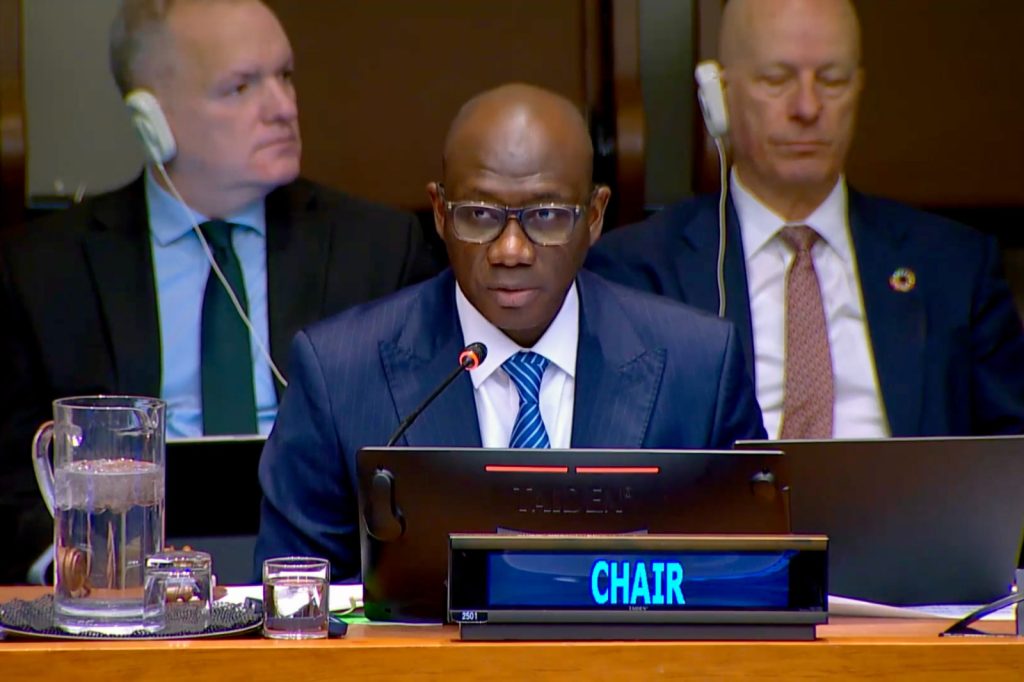


Article from Diplomatika magazine – N°03 By: Prof. Mohamed Hamdi, Professor of Universities and International Expert in Cyber Security
As digital transformation accelerates the economic integration of the continent, cybersecurity becomes a central issue of sovereignty. Infrastructure vulnerabilities, information warfare, cybercrime, skills gaps and technological dependency are putting African States in the face of a new challenge: building a collective capacity to protect and govern their digital space.
As the African Continental Free Trade Area (AFTAFA) crystallizes in the marble of economic realities, the continent struggles in a clear contradiction. Its digital boom, which is willingly branded as the archetype of technological leap, is in reality the receptacle of an algorithmic hybrid war.
Behind the consensus logorrhoea on universal connectivity is a deeper reality: The African cyberspace is today a predation arena where the hegemonic appetites of the Sino-American duopoly and the rampant offensive of the emerging powers clash. For Africa, cybersecurity, far from arid technical stewardship, is now a sovereign sovereign function, an unprecedented matrix of resilience diplomacy.
Africa under Shodan's scalpel: autopsy of invisible vulnerability
To understand the magnitude of the asymmetry that affects African infrastructures, we must dive into the dead end of the global web. This is what allows Shodan, this search engine not like others which, far from indexing the text of our pages, continuously scans the bowels of machines connected to the planet. For strategists and chancelleries, Shodan is an open source intelligence tool, a ruthless indicator of the porosity of virtual borders.
And the verdict of this geopolitical scanner is without appeal. From Johannesburg economic centres to Casablanca, Nairobi and Tunis, government servers and critical industrial architectures suffer from a System cryptographic wear and tear. Almost half of the connected systems still rely on obsolete encryption protocols, which have long been abandoned by international standards.
Worse still, the omnipresence of fragile security keys and expired digital certificates transforms administrative and financial networks into real passoires. This fragility is not just a technical incident: it is a Major sovereignty gap providing foreign intelligence agencies and cyber criminals with direct access to the continent's state secrets and macroeconomic data.
The hybridization of chaos: when bytes arm crime and terrorism
This digital porosity not only feeds state espionage; It dramatically accelerates the continent's security destabilization. Today we are witnessing a organic and formidable convergence between cyber vulnerability, transnational organized crime and terrorist movements.
In the Sahelo-Saharan band or in the Horn of Africa, groups affiliated with Boko Haram or Al-Shabaab no longer content themselves with earthly shrines.
They now exploit digital asymmetry to diversify their funding channels: extortion by ransomware, speculation on crypto-actives and infiltration of regional mobile payment systems.
At the same time, human trafficking networks, which bleed migration routes in West and North Africa, have become cyber-agile organizations. They use encrypted communication platforms to orchestrate their cross-border logistics and optimize ransom payments.
The observation is icy: the security of physical borders is illusory if logical infrastructures are not first secured. Africa suffers a rate of attacks 60% above world average, and the overall cost of cyberattacks today exceeds the $2,200 billion global scale.
The institutional archipelago: in search of cybercontinental grammar
Faced with this hybrid threat, the hour is no longer passive, but the African response is still suffering from institutional fragmentation.
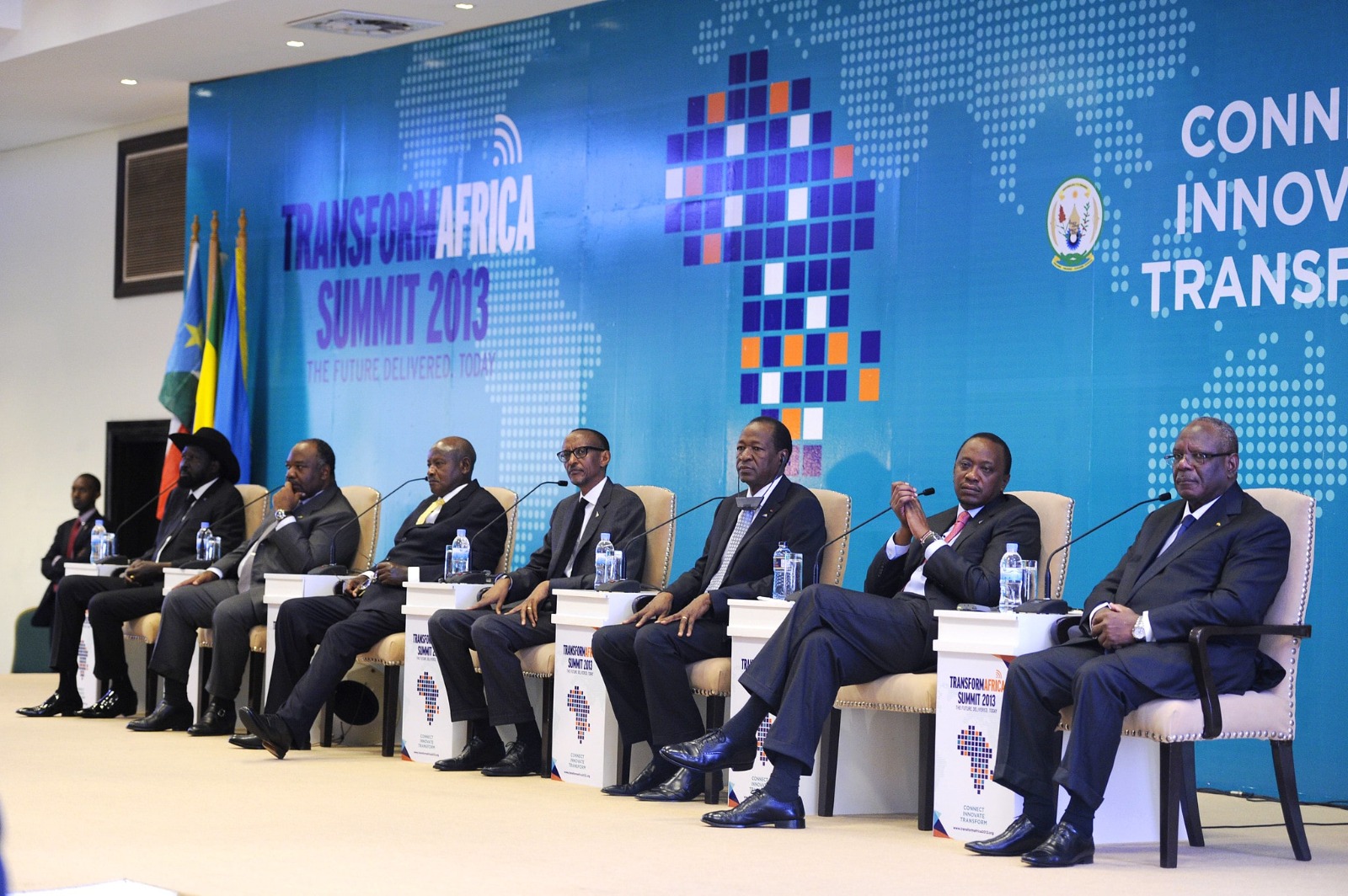
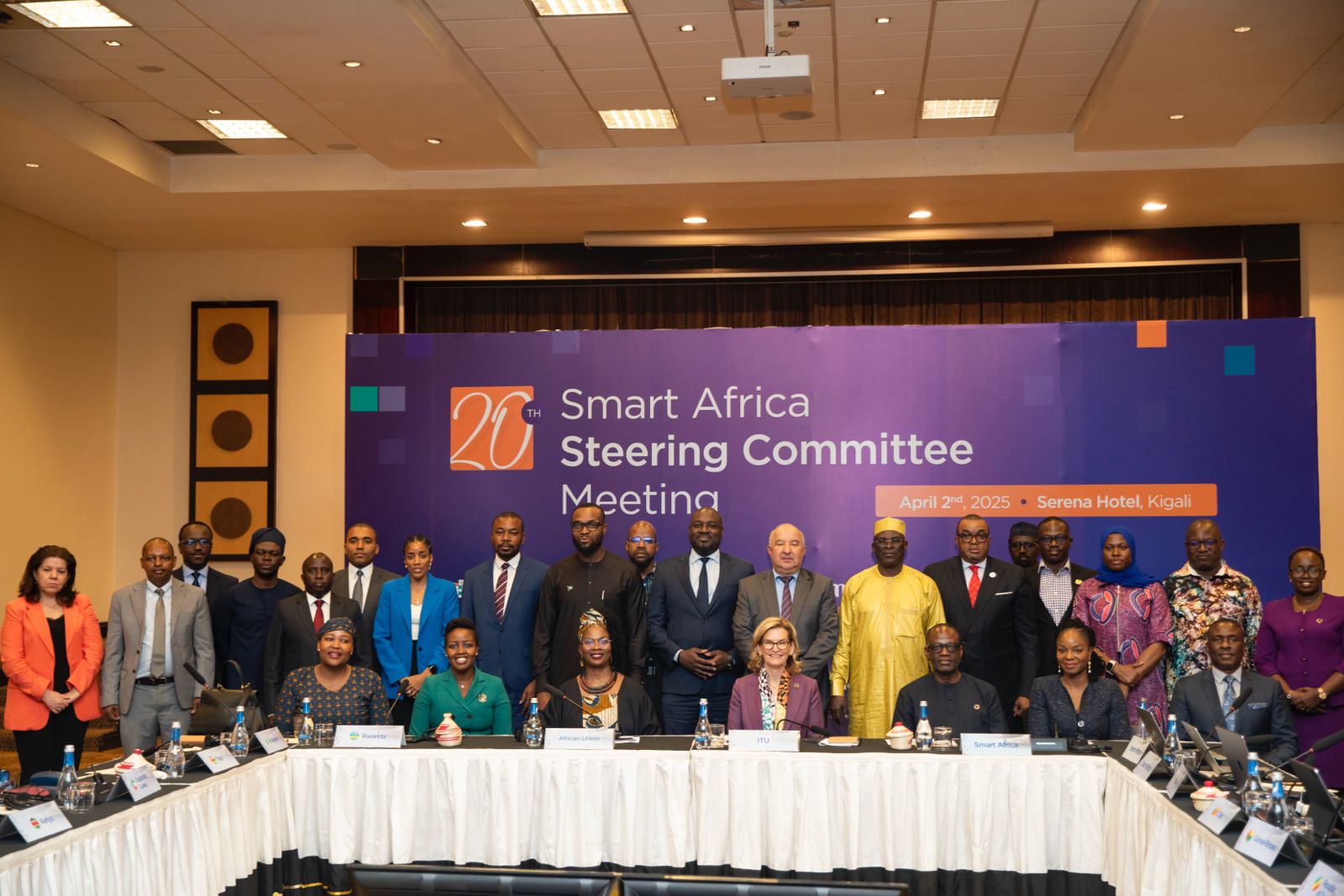
While the Smart Africa alliance, under the leadership of its forty Heads of State, has set key milestones through its five-year digital resilience plan and the emergence of the African Network of Cyber Security Authorities (ANCA), it is not the only actor in this digital agora.
The African Union, through its digital transformation strategy, is trying hard to give substance to the Malabo Convention, a founding text whose slow ratification illustrates the reluctance of States to abandon plots of sovereignty.
At the regional level, organizations such as ECOWAS in West Africa or ECCAS in Central Africa are developing their own roadmaps, sometimes creating a stacking of standards and a veritable plethora of initiatives where declarations of intent compete with sophistication to better mask the lack of operational harmonization, thereby undermining overall readability. Not to mention the role of private initiatives and emerging clusters in Morocco, Rwanda and Kenya.
The challenge for African diplomacy no longer lies in the multiplication of instances, but in the unification of this institutional archipelago to impose a common voice against the International Telecommunications Union (ITU) or the giants of the World Tech.
The Achilles' Heel: the shortage of talent and brain drain
Behind the beautiful declarations of intent is a brutal reality: the continent is cruelly lacking armed arms to conduct this fight. With less than 300,000 professionals in cybersecurity for a digital ecosystem in full explosion, Africa accuses a 23% deficit in its labour force, or close to 68,000 unfilled posts. A gulf that exposes the continent to systemic risks.
But the problem does not stop there. The training struggles to keep pace, and the best elements are aspired by a Double brain drain. On the one hand, physical emigration to northern countries; of the other, one « Virtual exodus » where African experts, who remain on site, work remotely for European or American companies. A silent haemorrhage that deprives the continent of the skills it needs most.
Behind the beautiful declarations of intent is a brutal reality: the continent is cruelly lacking armed arms to conduct this fight. With less than 300,000 cybersecurity professionals in a rapidly expanding digital ecosystem, Africa has a 23 per cent deficit in its workforce, which is close to 68,000 unfilled jobs.
A gulf that exposes the continent to systemic risks. But the problem does not stop there. The training struggles to keep pace, and the best elements are drawn by a double brain drain. On the one hand, physical emigration to northern countries; of the other, one « Virtual exodus » where African experts, who remain on site, work remotely for European or American companies. Silent bleeding.
This bleed is coupled with an insidious methodological aporie: the blissful application of a taylorian logic of management and investment – sequential division of projects, process standardization, linear temporalities – proves totally above ground in a climate of endemic political and institutional instability.
The obsession with KPIs and pre-established milestones is hampered by the chronic discontinuity of the executive, the volatility of ministerial roadmaps and the atrophy of administrative memory. Investing in security architectures designed for stabilized environments is building cathedrals on swamps.
African cybersecurity, to be efficient, cannot be satisfied with vertical engineering; It requires tactical agility and organic resilience that Western management manuals do not know very well.
To continue reading this article, subscribe to Diplomatika magazine: https://diplomatika.net/subscription/