
International cooperation in times of choice: crisis or transformation?
- For those who know little about Enabel, what is your mission?
Enabel is the Belgian agency for international cooperation. Its mandate is to implement bilateral cooperation between Belgium and its partner countries.
We are working in some 20 countries to address global challenges: climate action, health, education, energy transition, private sector development, human mobility, job creation.
Our role also evolves over time: beyond conventional program delivery, we are increasingly co-architects of complex ecosystems, private sector partners and investment catalysts, innovation accelerators, and promoters of regional collaborations. It is this versatility that today makes the identity of Enabel as « enable »a facilitator for sustainable development.
- What are the main programmes of Enabel in Senegal?
With nearly EUR 100 million mobilised over five years, 50% financed by Belgium and 50% by the European Union, our action in Senegal focuses on three areas, rooted in the three dimensions of sustainable development: economic, social and environmental.
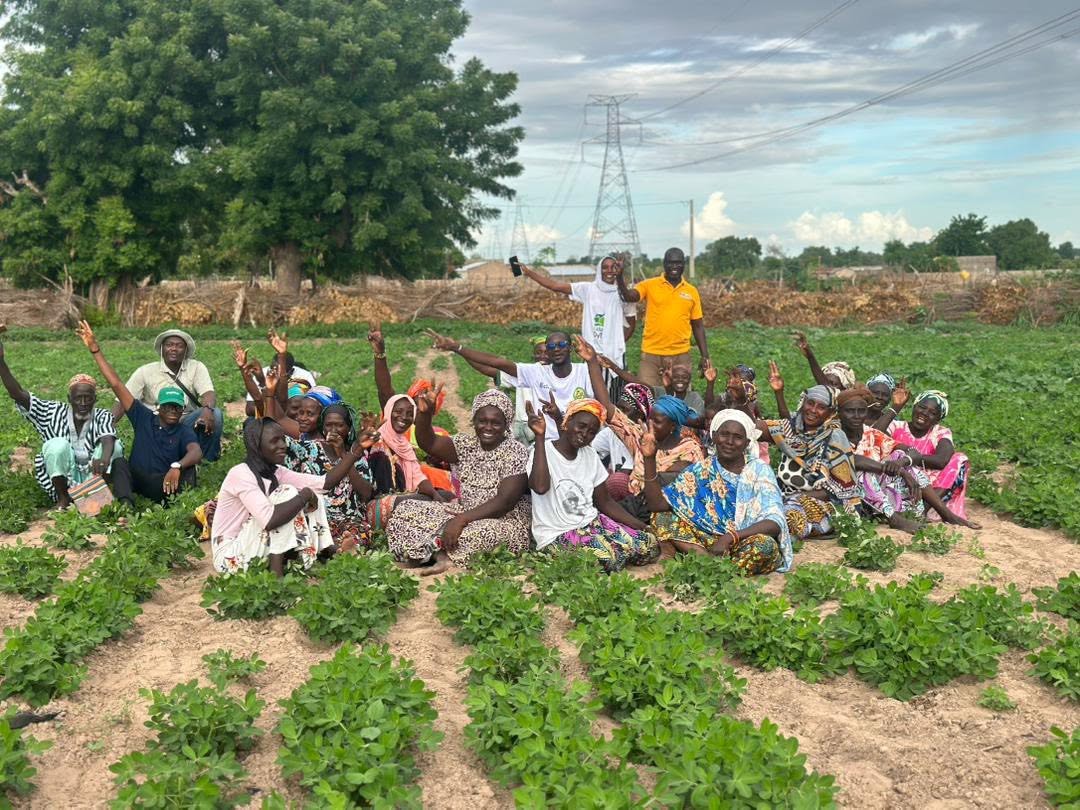
The first place the real economy at the heart of our action: agricultural production and industrial transformation, fair sectors, support for the vision of the Agropole in the central area, with a strong emphasis on the employment of young people and women, and support for the port, maritime and strategic corridor Praia-Dakar-Abidjan. An axis linking the field to the factory, the producer to the market, and Senegal to the subregion.
The second covers the health sector in all its diversity: regulation and industrialization of pharmaceuticals, digitalisation and telemedicine, training of health professionals, equipment and infrastructure, social protection and health coverage, and support for mechanisms to combat gender-based violence. Support for a stronger, more sovereign and fairer health system.
The third is the future: climate action. Restoration of degraded land, agroecological practices, innovative climate finance, waste management, all levers for Senegal to meet its climate commitments and transform environmental constraints into economic and social opportunities.
Our territorial anchor is deep: Kaolack, Fatick and Kaffrine, in the heart of Senegal, concentrate most of our interventions. It's no coincidence that half of our team in Senegal is based in Kaolack, the other half in Dakar. It was also an honour for Enabel to receive, in May 2026 on the occasion of the FIKA, the Gold Warfare, award of excellence of the city of Kaolack — a sign of the link established over the years with the communities of this region. We also accompany the state in its most structuring reforms of the vision Senegal 2050: the port and maritime strategy, the plan to relaunch pharmaceutical industrialization, the Agropole Centre, the Start-up Act, the modernization of civil status, the economic empowerment of women and the sylvo-agro-pastoral approaches.
From local to national, it is this double presence that gives our action its full depth.
- You're finishing your term this summer — What concrete results do you have?
These years in Senegal have been intense, demanding, and of rare wealth. Accompanying Senegal's 2050 vision of the interior, listening and acting alongside institutions, teams and people is an experience that does not forget. What makes me most pleased is the concrete and lasting impact on people and institutions, measured by meetings and field visits in Dakar and the regions. Here are some of the most notable examples.
Towards an agro-industrial and job-creating Sine Saloum
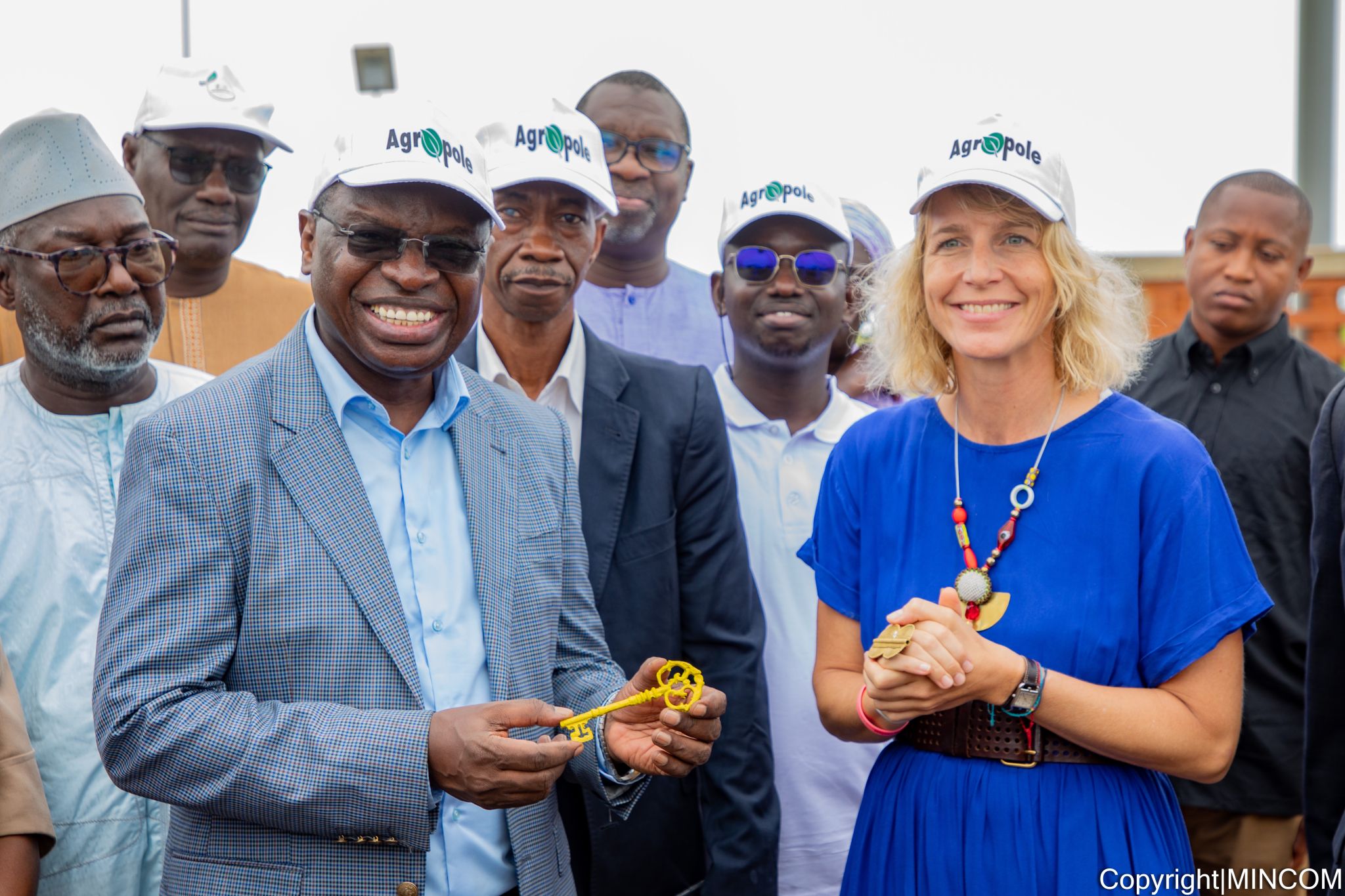
On the Agropole Centre, in support of the National Agropoles Programme (PNDAS), the serviced site of Mbelacadio (Fatick) is now open to agro-industrial enterprises wishing to set up them. A second site is under study. A concrete milestone in an industrial vision that takes shape. In parallel, with the Ministry of Food Sovereignty (especially through the FNDAPS) and the Ministry of Industry and Trade, we support tens of thousands of operators and dozens of leading companies in the development of cereals (thousand, sorghum), peanuts, horticulture, aquaculture, salt, plastic recycling, with integrated support: production, market access, access to finance, capacity building.
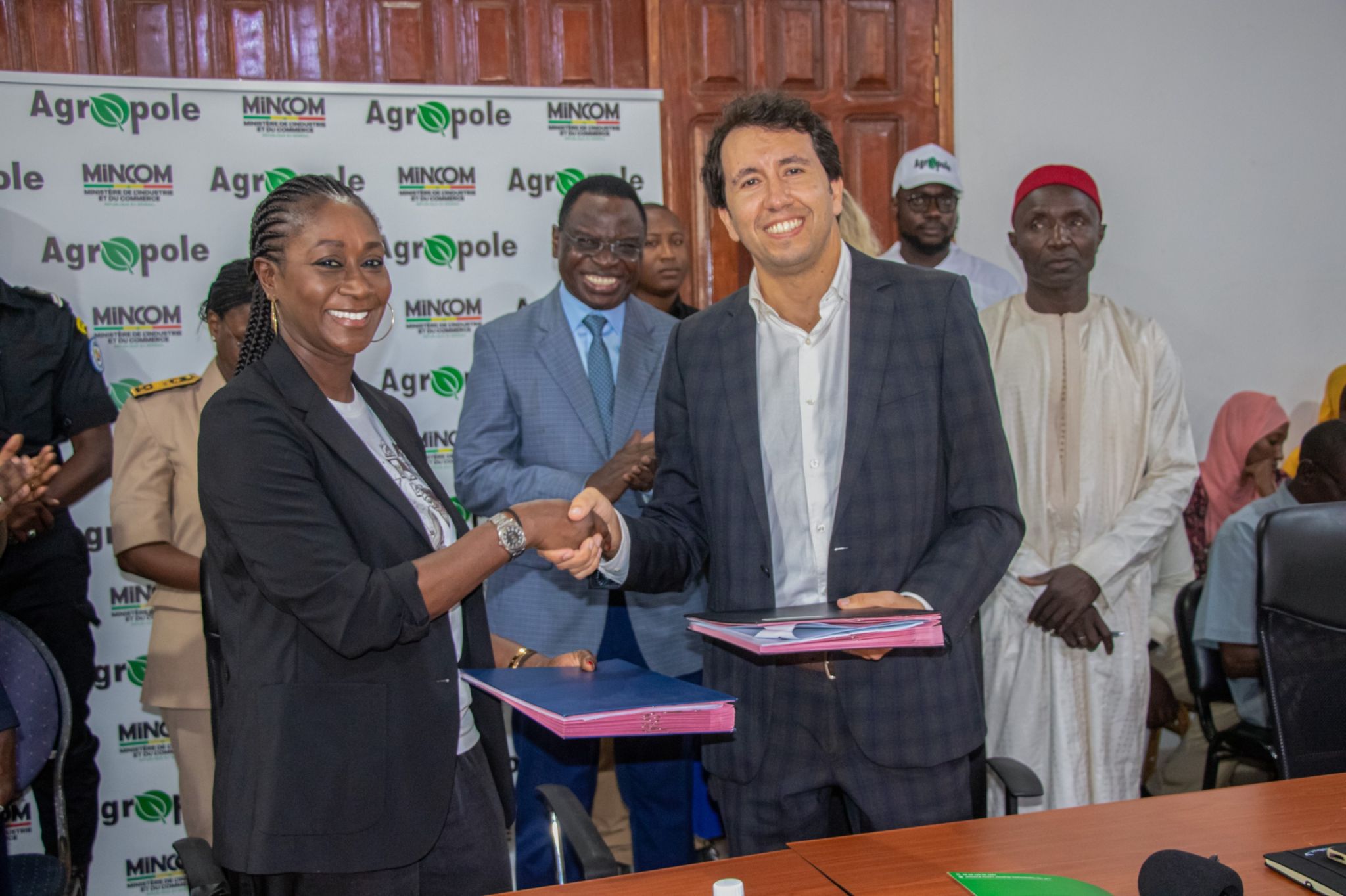
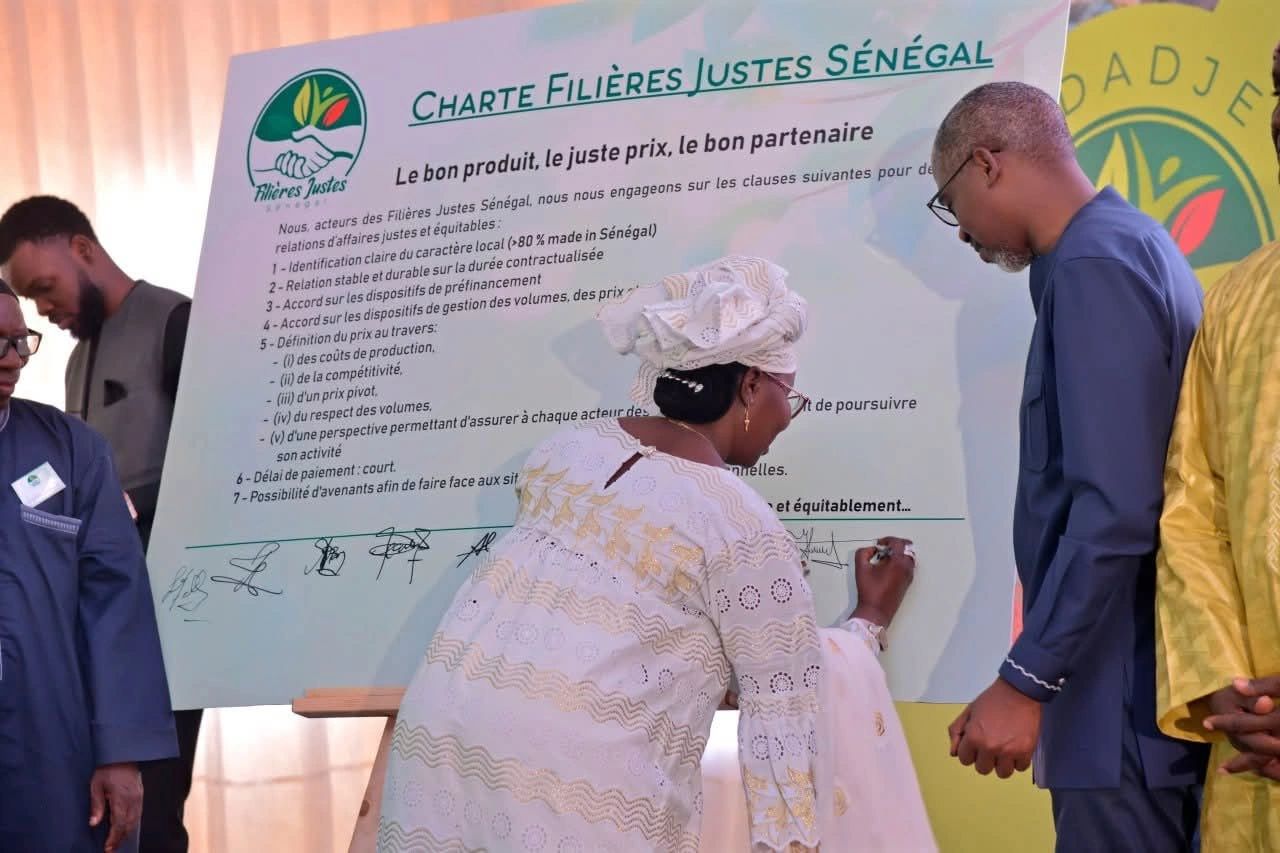
What is particularly important to me is the Charter of Fair Sectors adopted in July 2025, drawn up with the State, producers, industrialists, distributors and consumers, to ensure a fair price throughout value chains. Commercial intermediation carried out by the Agency for Market Regulation (ARM) has also borne fruit: in 2026, Senegalese industrialists committed themselves to buying more than 25,000 tonnes of local maize, even more expensive than imported maize.. This is a strong signal: food sovereignty is built, contract by contract, sector by sector.
With ADPMME, we've been putting our finger on something important. It is often said that more than 90% of Senegalese companies are informal. But this binary reading, formal or informal, does not say anything about the real path of the entrepreneur, where he is, what he needs. So we have developed together a formalization index on a scale of 0 to 4, a tool that changes everything: it allows us to better target support to each entrepreneur, depending on where he is really in his career.
Finally, two initiatives will soon be launched and should be celebrated. The Green Innovation Hub, supported by the University of Sine Saloum (USSEIN), is an incubator and accelerator for young people and women entrepreneurs in agri-food, a space where innovation meets entrepreneurship. And the aquaculture site of Fatick, 15 hectares, 40 basins, more than 20,000 m3 of water, carried by the National Agency for Aquaculture (ANA), will become a true national centre of excellence for training and innovation in this future sector.
Ports and corridors: Senegal at the heart of West African trade
Together with the Autonomous Port of Dakar, the ANAM, the Ministry of Fisheries and the Port of Antwerp-Bruges International, we contributed to the development of the National Port and Maritime Strategy, validated in the summer of 2025. It is a concrete roadmap for the modernization of the area, including for the regional ports of Kaolack and Ndakhonga, at the heart of our geography of intervention.
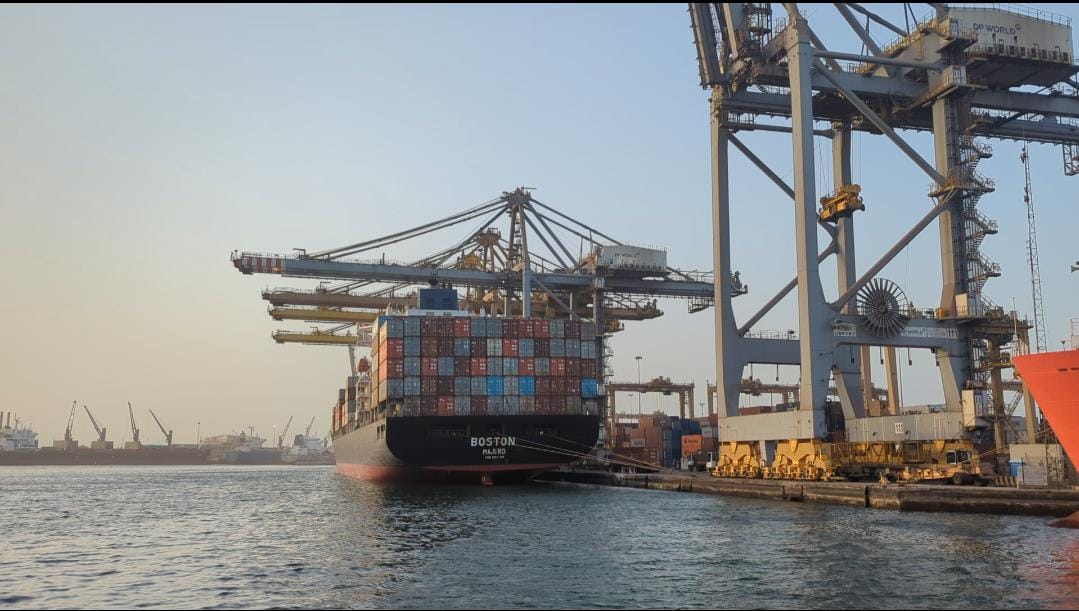
The Praia-Dakar-Abidjan corridor is a strategic axis for the economic integration of West Africa. We hope to be able to contribute to this in the near future, together with other partners, by supporting the governance of this axis, so that trade flows better, transaction costs fall, and trade between countries is safer and more fluid. It is a long-term, collective project that goes well beyond Enabel, but to which we wish to bring our stone.
Medicines and vaccines produced in Senegal, care accessible to all
Under the leadership of the Senegalese Pharmaceutical Regulatory Agency (ARP), and with the support of European partners including Enabel since 2020, Senegal reached the WHO Maturity Level 3 (NM3 drugs) in October 2024, becoming the first French-speaking country in Africa to cross this course. This level certifies a stable, functional and integrated regulatory system, and this is a decisive step. The aim is to produce 50% of the pharmaceutical needs locally by 2035 and to become a sub-regional distribution hub. The NM3 is an essential step in achieving this: without credible regulation, no industrialization, no investors, no sovereignty. In partnership with Belgian academic institutions, and under the coordination of the UPP Pharma, we also supported the launch of two Master's degrees at UCAD, one in pharmaceutical regulation and the other in biotechnology, to train the talents that will bring this ambition to life.
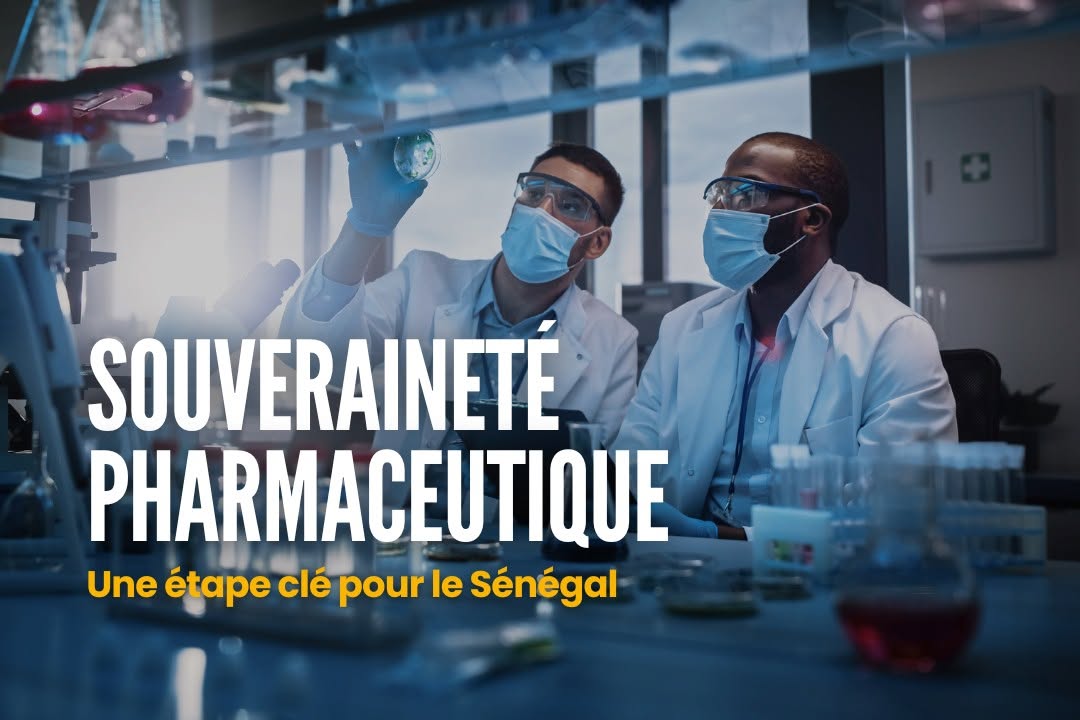
On the digital health side, in partnership with the Ministry of Health, we will have supported by the end of September the digitization of 12 health centres in Sine Saloum, with digital patient records and medical history, and interoperability with pharmacy and accounting, laying the foundations for a connected and patient-centred health system. And in the Sokone Health District (Fatick Region), 15 health stations are now equipped for teleconsultations and telesounding. Behind this figure, a human reality: people sometimes located 75 km from the nearest health station can now consult a specialist via videoconference, without leaving their village. This pilot, funded and documented, is now under study for scaling up.
On social protection, two departmental health insurance units (UDAM), those of Koungheul and Foundiougne, crossed a remarkable threshold: more than 70% of their respective population covered by health insurance. In territories where access to care was still limited for many, this figure represents a concrete change in the daily lives of the population.
Strengthening health infrastructure has also been at the heart of our work: biomedical equipment delivered, rehabilitation and construction of operating units, modernised health facilities in several facilities in the central area, all of which are sustainable investments for the benefit of the population.
A first in Senegal: caring for women victims of violence under one roof
In the three regions of the central area, we have had the privilege of accompanying the Ministry of Family, Solidarity and Social Action in the establishment of Single Home Centres (UAC), a first in Senegal. These centres provide women and girls who are victims of violence with an integrated care space: medical, psychological, social and judicial, under one roof. Perhaps this is one of the achievements that touches me most deeply.
A strong climate promise and roadmap for achieving it
Together with the Ministry of Environment and Ecological Transition, we have contributed to the development of the CDN 3.0 of Senegal (Third Generation National Determined Contribution), presented by the government at COP 30 in Belém in November 2025. This document is primarily a promise of Senegal to the world and its own citizens: to increase the share of renewable energies to 40% of the electricity mix by 2030, compared with 29% today, and to reduce emissions in different strategic sectors. A strong ambition with a roadmap to achieve this.
- We talk a lot about the crisis of international cooperation, but beyond diagnosis, what changes do you think are necessary?
International cooperation is going through a period of deep turbulence: an unprecedented financing crisis, a lack of understanding of its role, and major disruptions in the multilateral system. And yet, in the face of accelerating global challenges, climate, health, energy, inequality, security, international cooperation has never been more necessary. This is the contradiction of our time.
International cooperation must evolve towards a lever model, and it is at the heart of current discussions on financing for development. The observation is implacable: the annual global funding gap for achieving sustainable development goals is estimated at $4,000 billion, while official development assistance covers only 5 per cent of that need and continues to melt. A significant part of public cooperation funds could be used to unlock private investment, reduce risk, and catalyse financing for sectors and territories that would not have been prioritized by the logic of profitability alone. The objective is to unite governments, the private sector, development banks, cooperation agencies and civil society around a common course, without ever losing sight of social issues, equity, social and environmental justice. And for the most fragile countries, this change in model must not be at the expense of support for people's resilience: their ability to absorb multiple shocks, whether climate, health or economic, remains a top priority.
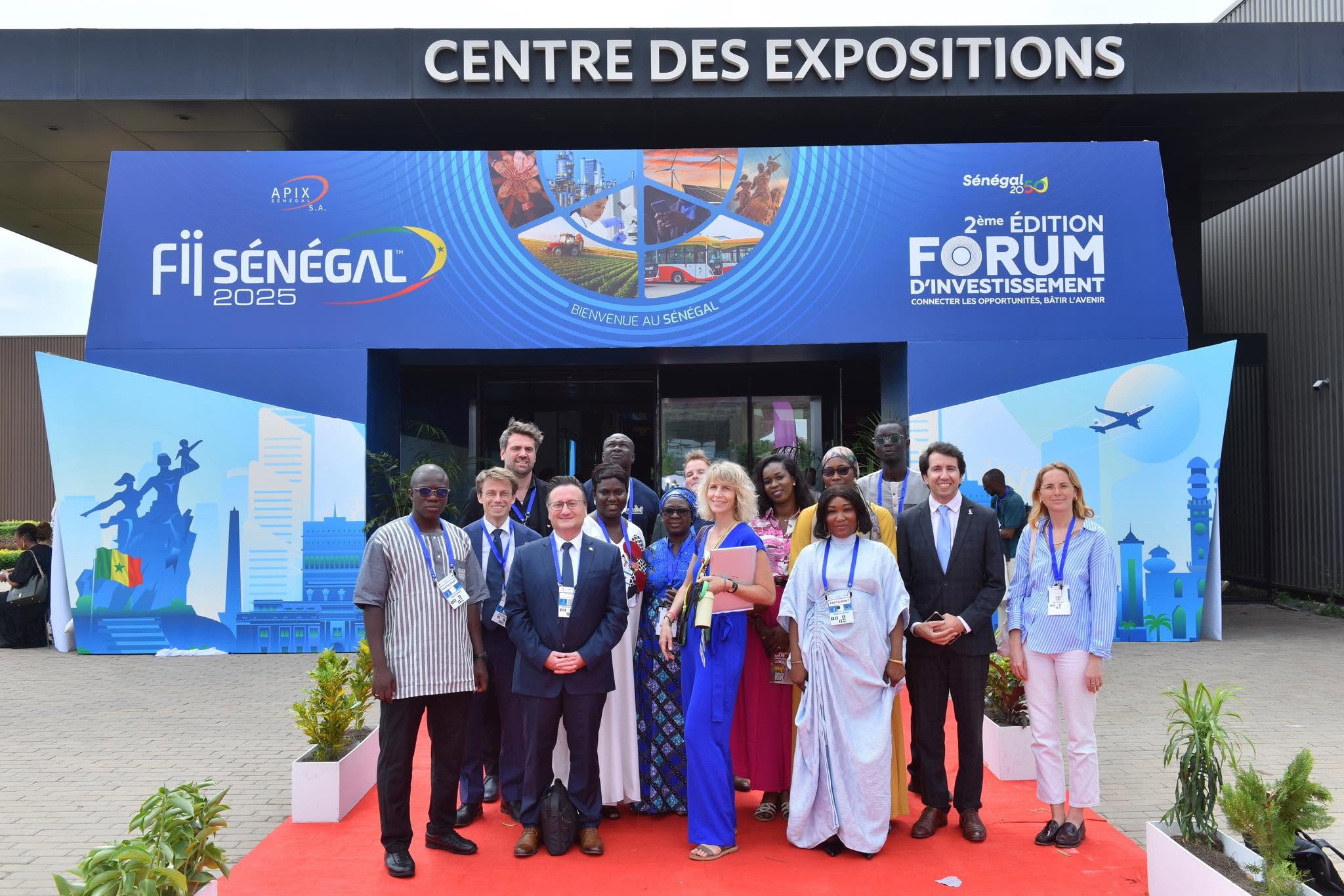
This paradigm shift, we are trying to incarnate collectively with Team Belgium in Senegal (Embassia of Belgium, Enabel, Hub Brussels/FIT/AWEX, Bio Invest, Wallonia Brussels International, APEFE). The theme of the Belgium-Senegal annual bilateral commission of April 2026 was, moreover, exactly that: how to make public funds of cooperation a catalyst for private funds and economic cooperation. Together, we have reviewed the concrete opportunities of application in agro-industry, the port sector, pharmaceutical, circular economy and carbon and plastic credits, and the first results are encouraging.
- Can you illustrate this paradigm shift with concrete examples?
There are many examples.
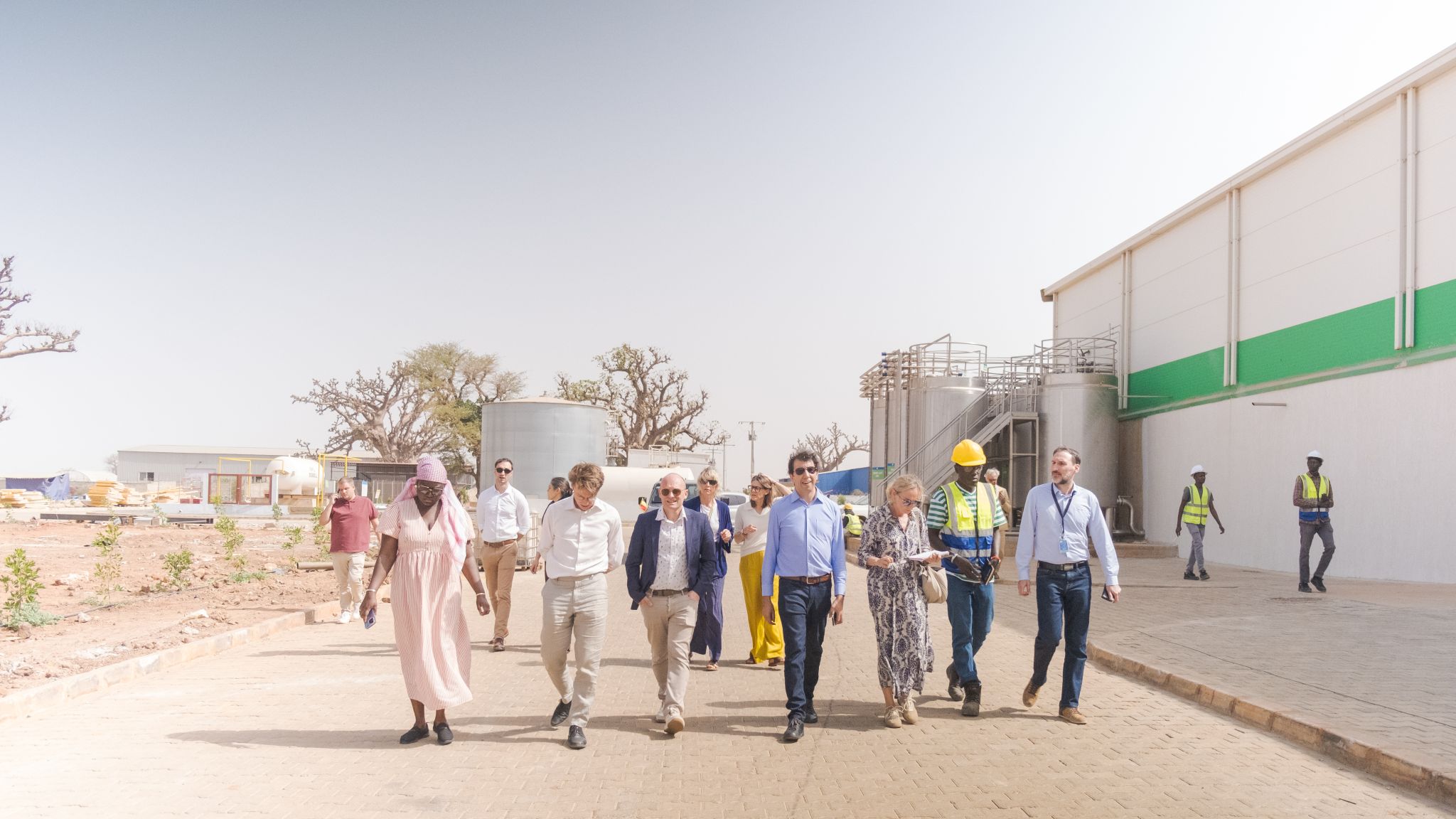
Our partnership with La Laiterie du Berger (Dolima brand) is a good example. This Senegalese company has invested in a modern factory in Sandiara, and Team Belgium has tried to make itself useful at its side: BIO Invest has granted several loans over the years, while Enabel technically supports the upstream milk value chain ecosystem, breeders and the structuring of the sectors. A Senegalese private investment, accompanied by public cooperation, for the benefit of the entire chain and the jobs it generates.
Our support to the Ministry of Green Transition on carbon credit regulation opens a promising perspective. Once finalized, this regulation could enable Senegal to activate innovative climate finance in international carbon markets. Belgian actors such as Men and Lands, Weforest or Lignaverda are already positioned, ready to invest in land restoration and reforestation, thereby valuing Senegalese natural capital internationally, while ensuring a fair distribution of income generated for the benefit of local communities.
We also accompany the National Renewable Energy Agency (ANER) and the SONAGED, the recycling of waste electronic, electrical and solar equipment at the end of life, a sector still developing but with real opportunities in terms of jobs, environmental impact and public health.
Finally, we are contributing to South-South economic missions, and to some extent south-north, to help Senegalese companies access markets, contracts and partnerships beyond their borders. Work that is just beginning, and that should accelerate in the years to come.