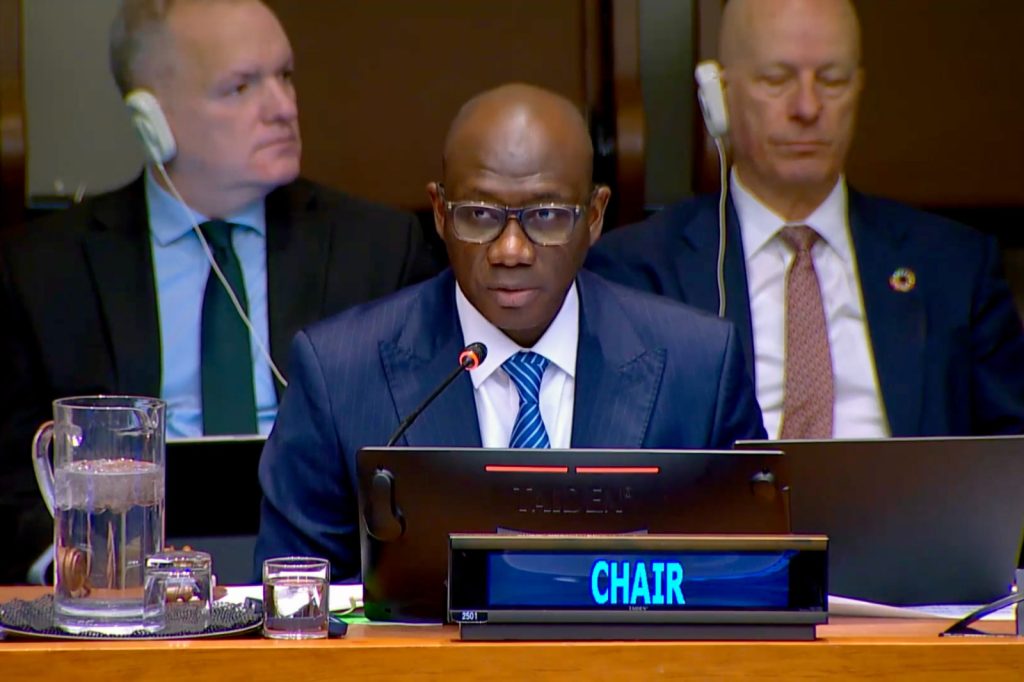

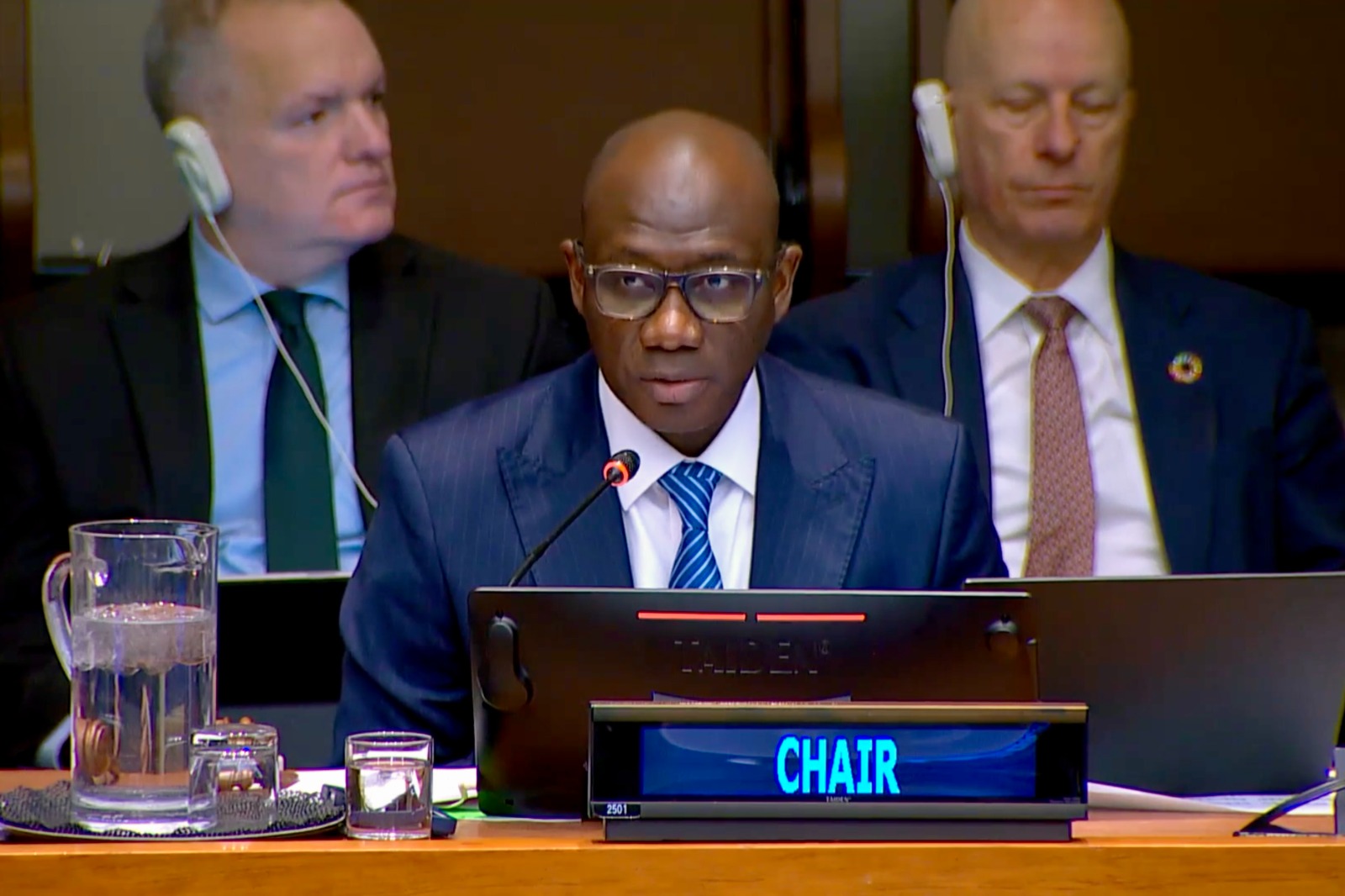
Senegal called for equitable access to United Nations information in all the official languages of the Organization, while calling for a strengthened response against misinformation, misinformation and hate speech. This position was defended during the annual review of the activities of the Department of Global Communications (DGC) by the Fourth Committee of the United Nations General Assembly, currently chaired by the Permanent Representative of Senegal to the United Nations, Ambassador Coly Seck.
Through this intervention, Dakar reaffirms its commitment to multilingualism, freedom of expression and the dissemination of reliable information in a global context marked by the proliferation of misleading content and the weakening of confidence in sources of information.
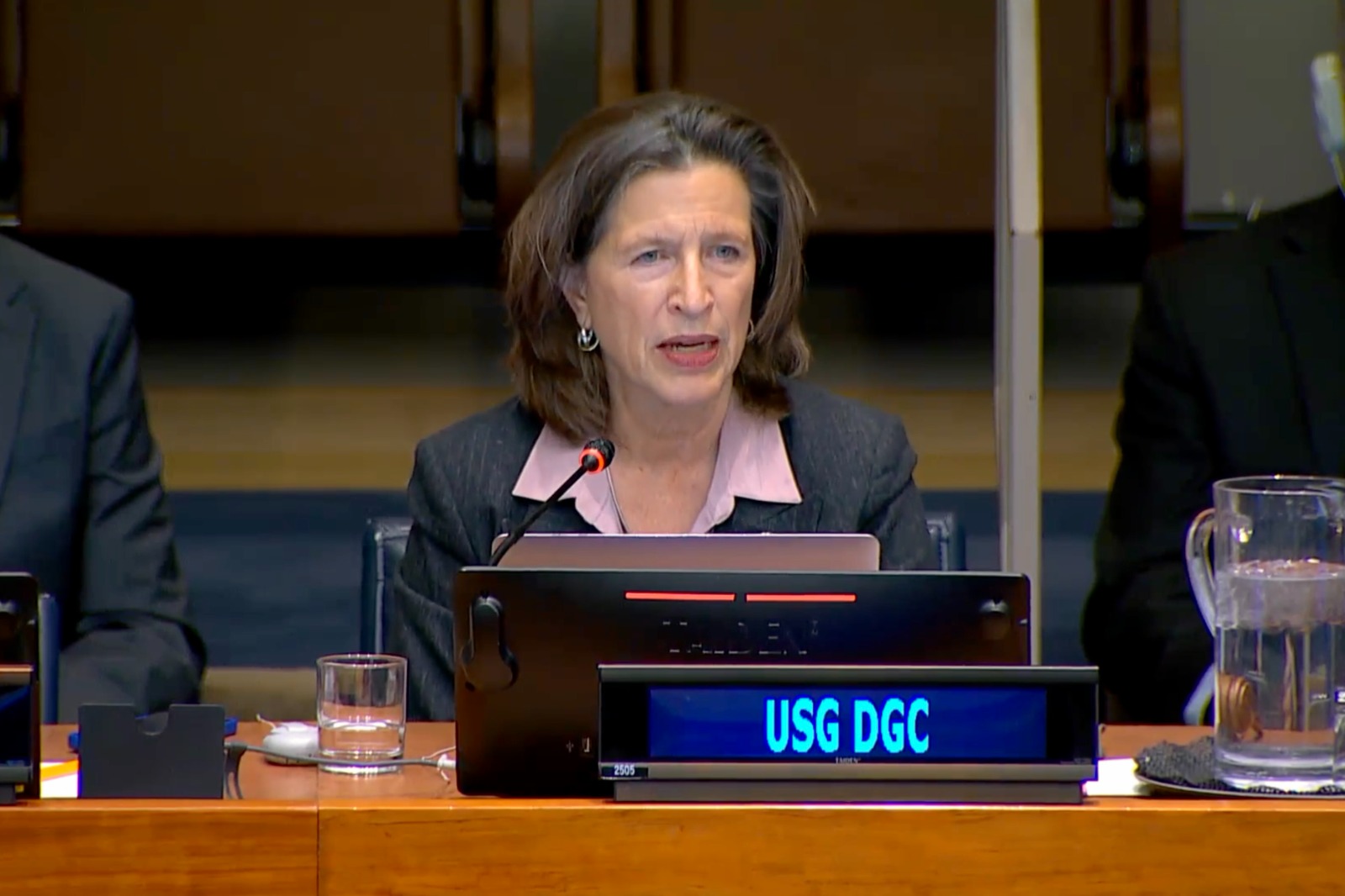
Opening the debate in the Fourth Committee, the Under-Secretary-General for Global Communications, Melissa Fleming, made a worrying statement on the contemporary information environment. « People are more connected than ever, but they feel as overwhelmed. They receive more content than they can absorb, but they also have too few sources they think they can rely on. », she said.
According to her, the mission of the UN system is now to provide accurate, accessible and responsive information to the linguistic realities of the people in order to strengthen their participation in major global issues. That issue was of particular importance in the context of the work of the Fourth Committee, which dealt with special political questions and decolonization.
The recommendations emanating from its work, inter alia, guide the activities of the Department of Global Communications and the United Nations information centres around the world.
Dakar demands parity between UN languages
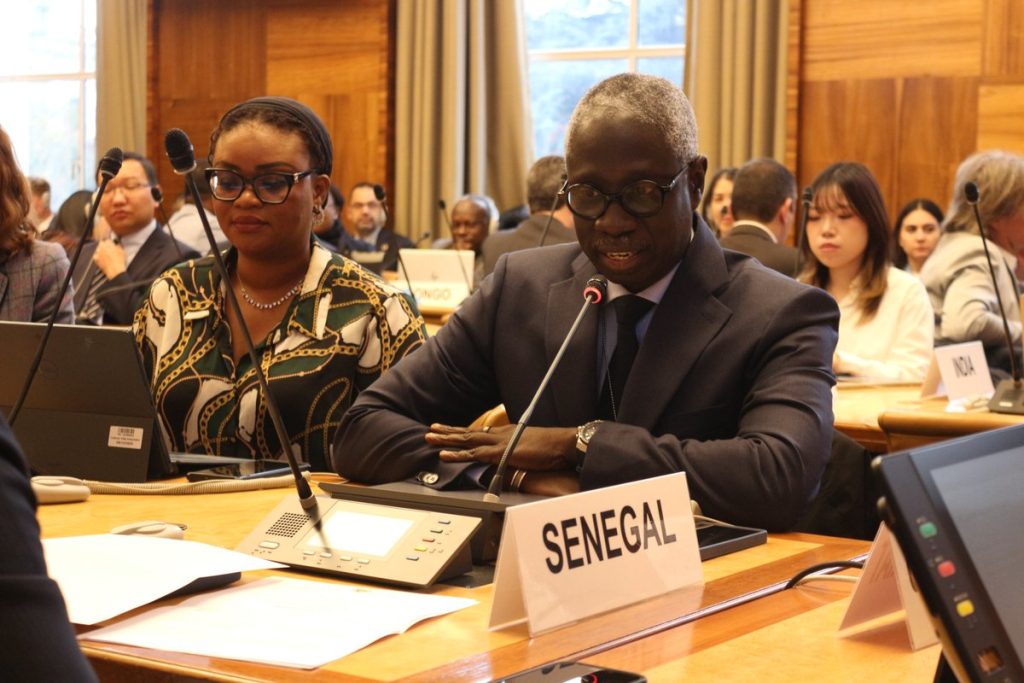
Speaking on behalf of Senegal, Alioune Touré Seck, First Counsellor at the Permanent Mission of Senegal to the United Nations, stressed the need to ensure genuine equality between the official languages of the Organization. For the Senegalese diplomat, this equality must apply to both official documents and informal work within the United Nations system.
He also stressed the importance of disseminating information in other national languages or local dialects where necessary, in accordance with the resolution on multilingualism, recently adopted by the General Assembly.
Beyond the language issue, Senegal recalled the fundamental role of the United Nations in defending a healthy information space. « It is essential that the Commission and the Department of Global Communications play a decisive role in promoting freedom of expression and access to pluralistic information. »,said Mr. Touré Seck.
In response to the growing use of information technology for the purpose of misinformation, disinformation and the spread of hate speech, the representative of Senegal urged the Organization to remain proactive in disseminating information. « constructive, comprehensive, reliable and neutral ».
Dakar Information Centre, a strategic player in West Africa
Senegal highlighted the role of the United Nations Information Centre (UNIC) in Dakar, which covers six West African countries. From the Senegalese capital, the centre ensures the rapid and regular dissemination of UN information to public institutions, the media, researchers, civil society organizations and the general public.
Senegal also called for the strengthening of the United Nations Special Information Programme on the Question of Palestine and stressed the need to ensure independent media access to the Occupied Palestinian Territory.
Digital transformation as a lever for development
The Senegalese authorities also took the opportunity to present their vision of digital progress. Three priorities were highlighted: strengthening international cooperation on digital security and training; promoting inclusive and sustainable technologies; and increasing investment in digital infrastructure, including in agriculture, health and public services.
This approach is part of the New Deal Technology, Senegal ' s flagship initiative to accelerate the modernisation of public administration and to promote wider digital inclusion of people.
Dakar, Information Integrity Pilot Centre
One of the highlights of the discussions was the recognition of the strategic role of the United Nations Information Centre in combating misinformation. Melissa Fleming announced that the centres in Dakar, Mexico City and Brussels were designated as Pilot Centres of Excellence for Information Integrity.
« From Dakar to Mexico City, from Rio to Windhoek, from Jakarta to New Delhi, the United Nations Information Centres work with young people, volunteers, cultural institutions and the media. They are also at the forefront of information integrity »she stressed.
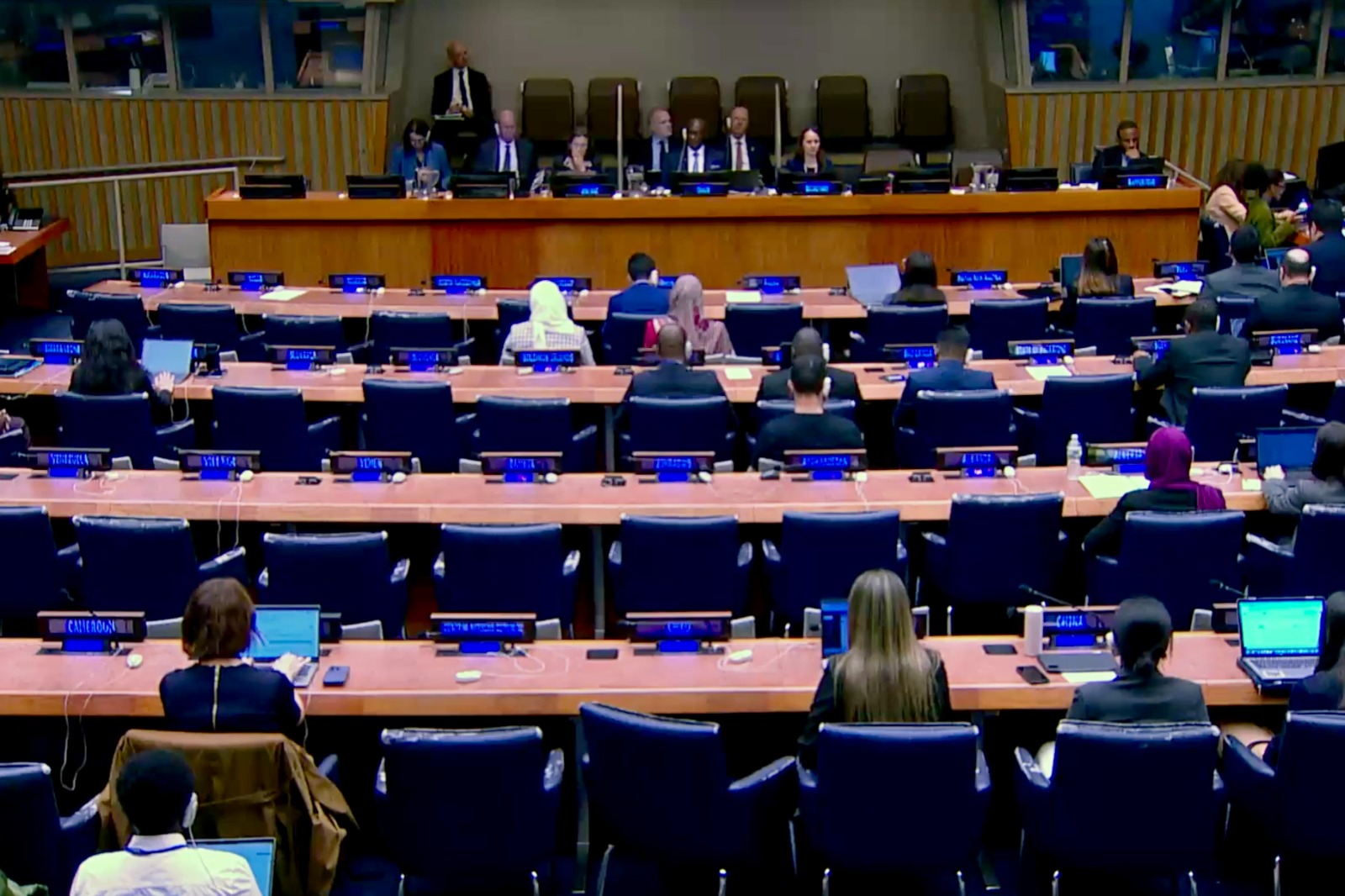
This initiative aims to strengthen the capacity of local actors in identifying and analysing harmful narratives, assessing their risks and implementing appropriate responses. The programme should gradually be extended to the media, civil society organizations, Governments and other partners.
The challenge of financing
However, the discussions took place in the context of continuing budgetary constraints. According to Melissa Fleming, an independent evaluation confirmed the relevance of the Department of Global Communications missions while recommending better coordination between United Nations headquarters and its field offices.
On behalf of the Group of Friends of Spanish, Spain recalled that financial imperatives should not call into question the fundamental principles of multilingualism, considering that multilingualism could not be regarded as a mere variable of budgetary adjustment.
The meeting was held on the occasion of the International Day of Ending Impunity for Crimes against Journalists. Several delegations called for the strengthening of the protection of media professionals, in a context where threats to press freedom remained a concern in several parts of the world.
Senegalese leadership for more inclusive information
Through its chairmanship of the Fourth Committee at the 81st session of the United Nations General Assembly, Senegal intends to promote a more inclusive information governance, respectful of linguistic diversity and able to respond to the challenges posed by new forms of information manipulation.
Senegalese advocacy comes at a time when the United Nations is seeking to restore public confidence in credible sources of information. By defending the equality of languages, the integrity of information and digital inclusion, Dakar confirms its willingness to contribute actively to the construction of a global information space based on transparency, plurality and reliability of content.