
Article from Diplomatika magazine – N°03: By Dr Nizar Chaari, Founder of Epik Leaders and DBA Candidate, EDEMIA
In the face of the recomposition of international partnerships, Africa's attractiveness is no longer based solely on its resources or diplomatic agreements. In this contribution, Dr Nizar Chaari explores the role of territories, economic hubs and human capital in building an economic diplomacy capable of strengthening South-South cooperation and partnerships with external powers.
As Africa redefines its strategic alliances, traditional institutional diplomacy reaches its limits. Building on the collective work « Awakening of Sentinels » (Epik Leaders and ENCG Agadir, 2026), this article defends a shift of sight : The attractiveness of the continent is no longer only played in bilateral agreements, but in the capacity of territorial hubs to capture investment flows, and in the ability of its youth to convert its behavioural skills into real relational capital.
It is on this condition that Africa can substitute a governance of trust for the economy of defiance that today hinders its cooperation with its partners.
Beyond treaties: diplomacy of the real
The African continent is going through an unprecedented phase of geopolitical recomposition. Inherited partnership axes (Africa-Europe) are redesigned as new poles of influence are established — Africa-Asia, Africa-Golfe —placing economic sovereignty at the centre of the strategic debate.
However, a reality remains underestimated in decision-making circles: the effectiveness of economic diplomacy is not measured by the number of protocols signed, but by the ability of actors on the ground to transform them into viable projects.
A youth from Morocco, Chad, Senegal, Gabon and other sister nations, in the collective book "The Awakening of Sentinels" (2026), reveals a converging observation: major cooperation projects rarely fail because of lack of technical expertise, but almost always because of a lack of communication and relationshipal alignment between stakeholders.
Tomorrow's economic diplomacy must therefore be based on two inseparable pillars: the territorial anchoring of proximity, and the strengthening of the behavioural skills of African human capital.
The territorial hub, a vehicle for South-South cooperation: the lessons of Dakhla and Kigali
Economic diplomacy is no longer conceived in a purely descending manner, confined to administrative capitals. It is now reflected in territories capable of bringing together global investment flows and regional dynamics.
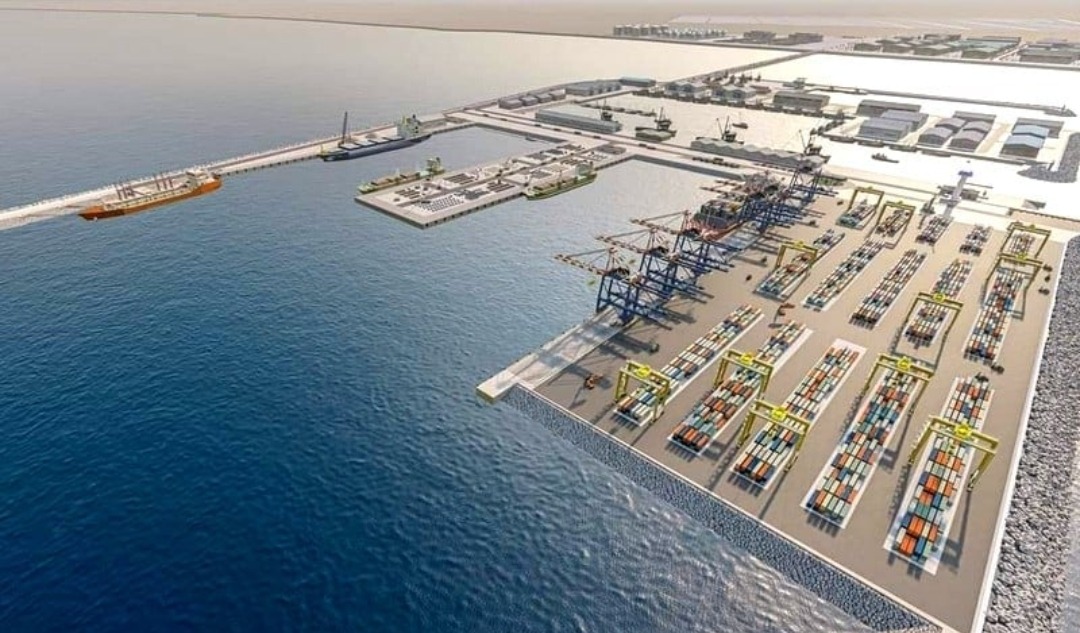
The port of Dakhla Atlantique, on the southern facade of Morocco, is a concrete example of this shift. Designed for an annual capacity of 35 million tonnes — containers, hydrocarbons, fishery products and renewable energy —This hub must offer the landlocked Sahelian countries (Mali, Niger, Burkina Faso) a direct Atlantic outlet, as part of the Royal Initiative for the African Atlantic Frontage.
It is no longer a simple geographical interface, but a South-South integration laboratory where port infrastructure, logistics areas and entrepreneurial ambition combine to connect sub-Saharan Africa, Europe and the Americas.
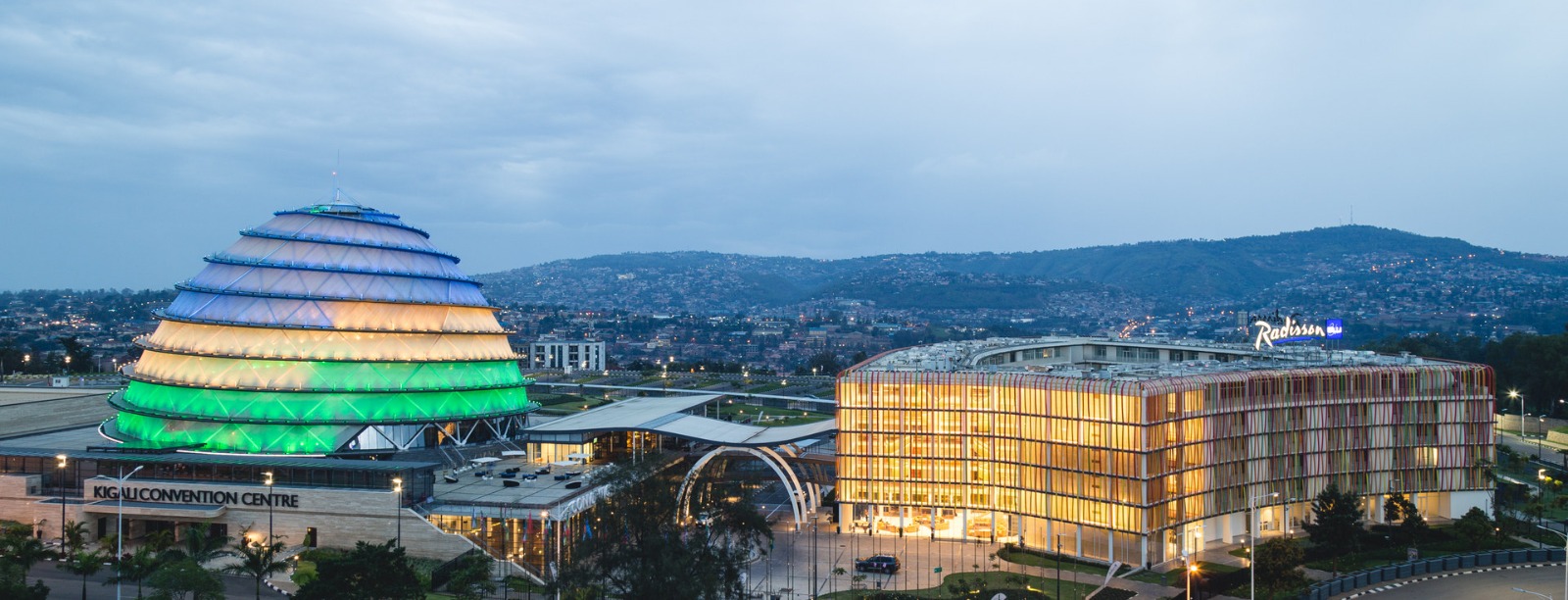
The Kigali model is based on a complementary logic: territorial diplomacy based on administrative excellence, transparency and performance has enabled a capital without a maritime facade to impose itself as a continental technological and financial hub.
These two trajectories, port and digital, converge towards the same education: the competitiveness of a nation is now played in its ability to build attractive local ecosystems, capable of hosting high-impact projects and bringing entrepreneurship to young people.
Narrative sovereignty and soft power: the new levers of economic influence
Contemporary economic diplomacy is not only played in infrastructure: it is also played in the battle of perceptions. For decades, Africa has undergone an exogenous story, often miserabilist or extractive, that has long-term distorted the reading of its foreign direct investment. Attracting fair partnerships therefore requires an assumed narrative winback.
This winback today is based on digital diplomacy and digital innovation, including African youth — connected, creative, comfortable with global codes — is the first vector.
By taking hold of its own story, the continent moves from an image of a consumer market or a reservoir of raw materials to a pole of innovation and co-development. Narrative sovereignty is no longer an additional image: it becomes a condition of economic diplomacy itself.
To continue reading this article, subscribe to Diplomatika magazine: https://diplomatika.net/subscription/