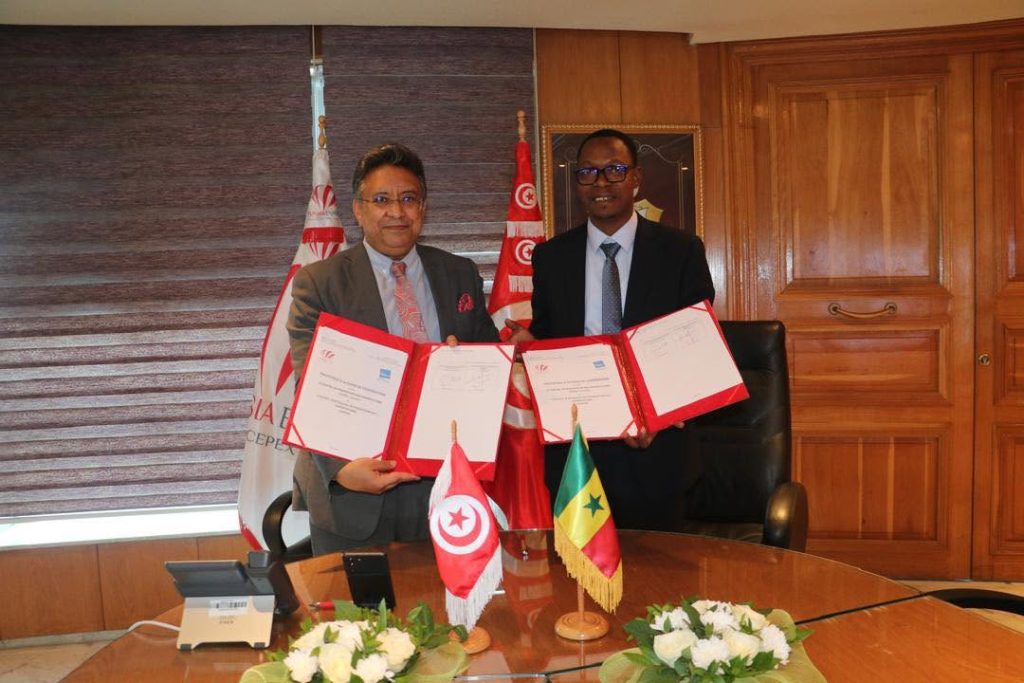

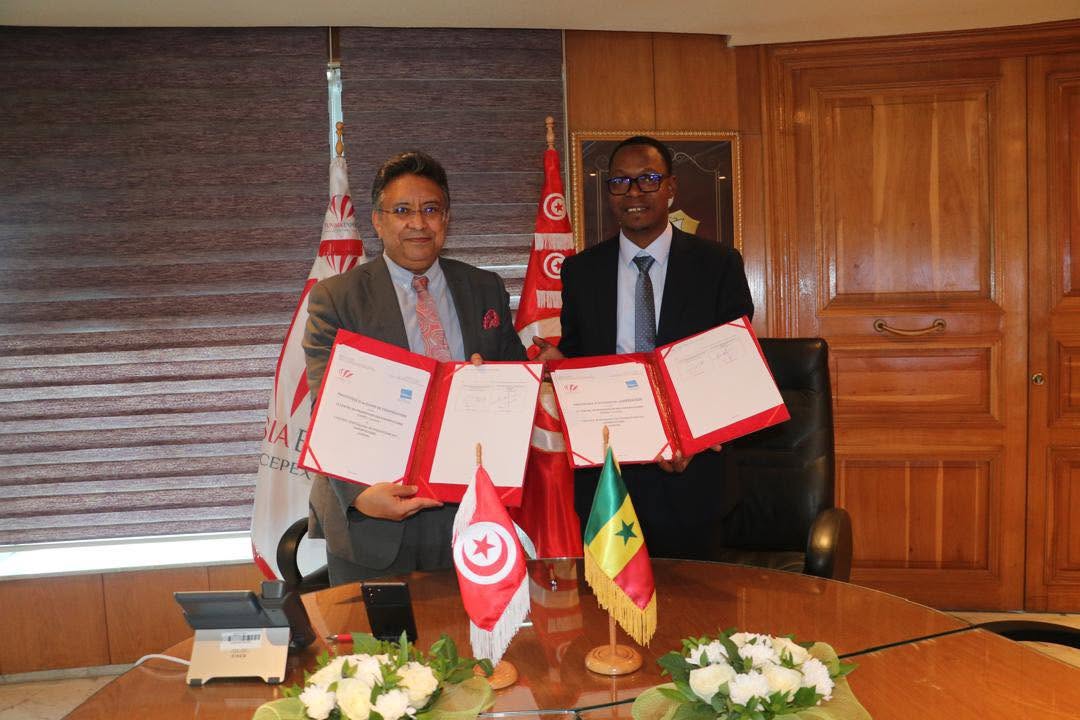
The export promotion agencies of Tunisia (Tunisia Export – CEPEX) and Senegal (ASEPEX) signed a Memorandum of Understanding in Tunis on 29 October 2026 to support businesses and open up new economic opportunities between the two countries. The ceremony was held at the Exporting House during the official visit of a high-level Senegalese delegation.
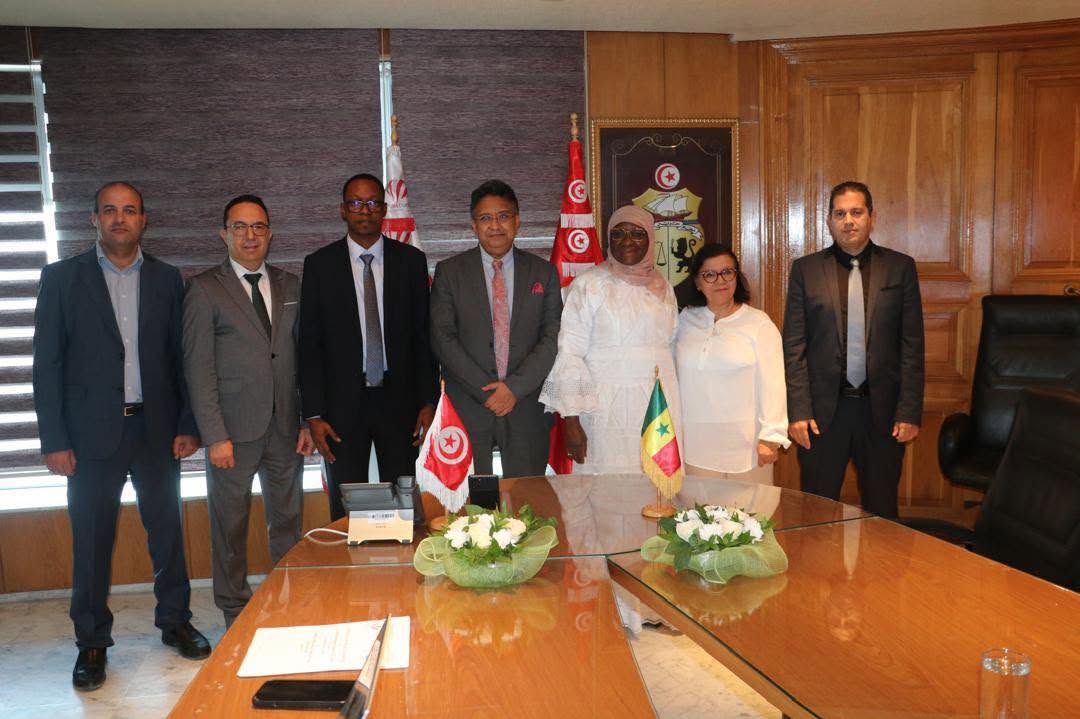
It was in the context of the partnership meeting between the Union and Senegal that the two institutions sealed their commitment. The protocol was initialled at the Exporter's House, in the presence of Mourad Ben Hassine, CEO of CEPEX, and d'Amadou Diallo, Managing Director of ASEPEX. Fanions and flags of both countries were placed on the signature table. The ceremony concluded with an exchange of presents and a family photo with the Senegalese delegation and Tunisian officials.
A strengthened cooperation framework
This text consolidates the collaboration between the two agencies. It aims, in the terms of the CEPEX publication, to strengthen their cooperation, to support businesses and to develop new economic opportunities. It provides for concrete actions: the exchange of economic and commercial information, the conduct of market studies, as well as the organisation of trade fairs, trade missions and business meetings.
Industrial, technological and market-oriented partnerships
The Protocol is not limited to bilateral trade in goods. It encourages the development of commercial, industrial and technological partnerships and joint exploration of third markets. This latter approach suggests a logic of complementarity: Tunis and Dakar could use one another to address other markets, particularly African ones.
Training, value chains and e-commerce
The agreement also includes training, sharing of expertise and accompanying companies internationally. Finally, it provides for the promotion of priority value chains and the development of cross-border e-commerce. An annual three-year action plan should ensure its implementation.
Now it remains to move from signature to execution. Between two countries seeking to diversify their partners and boost intra-African trade, this protocol will be judged on its ability to produce missions, business meetings and contracts for companies on both sides. The three-year action plan will provide the first test.