
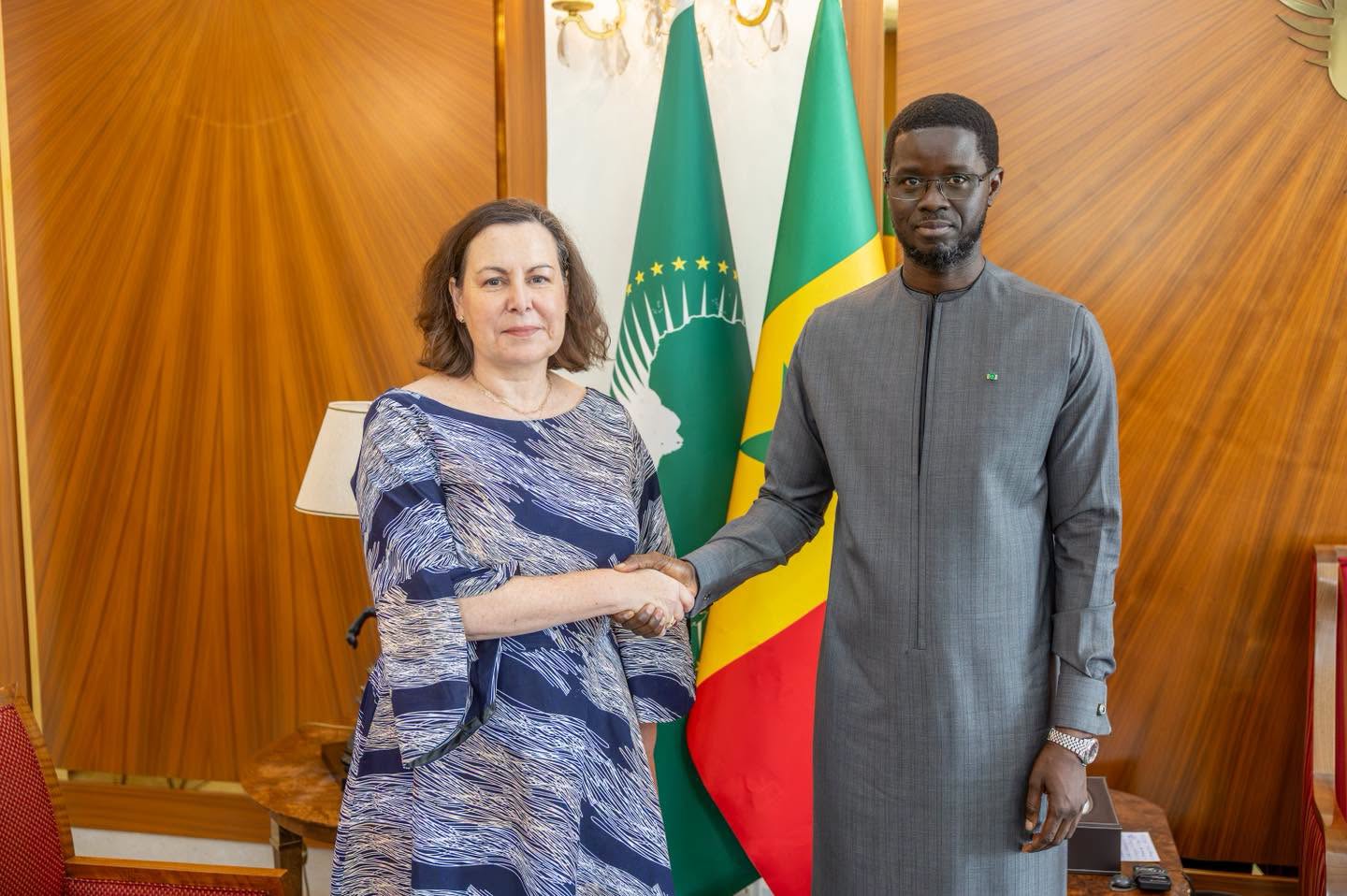
Senegal and the International Monetary Fund announced on 1 September 2026 a technical agreement of 2.2USD billion under the Extended Credit Facility. The Minister of Finance, Sheikh Diba, presented this programme as a response to the needs of the people and a lever for economic recovery, emphasizing a new dynamic of recovery and development.
On 1 September 2026, the International Monetary Fund (IMF) and the Senegalese authorities announced the conclusion of a service-level agreement on the financing of USD 2.2 billion (CFFA 1,243 billion) under the Extended Credit Facility (ECF). The 36-month arrangement aims to support Senegal's economic and financial reform programme for the period 2026-2029.
According to the IMF communiqué, the agreement remains subject to the approval of the Executive Board and requires the implementation of corrective measures related to the case of misreporting revealed in 2024, as well as the receipt of financing assurances from the country's partners. The IMF-supported programme should help mobilize resources from the World Bank, the African Development Bank and other institutions.
Ms. Mercedes Vera Martin, head of IMF mission, praised the resilience of the Senegalese economy, which grew by 6.7 per cent in 2025 thanks to oil production, despite a slowdown in non-hydrocarbon growth at 2.2 per cent.
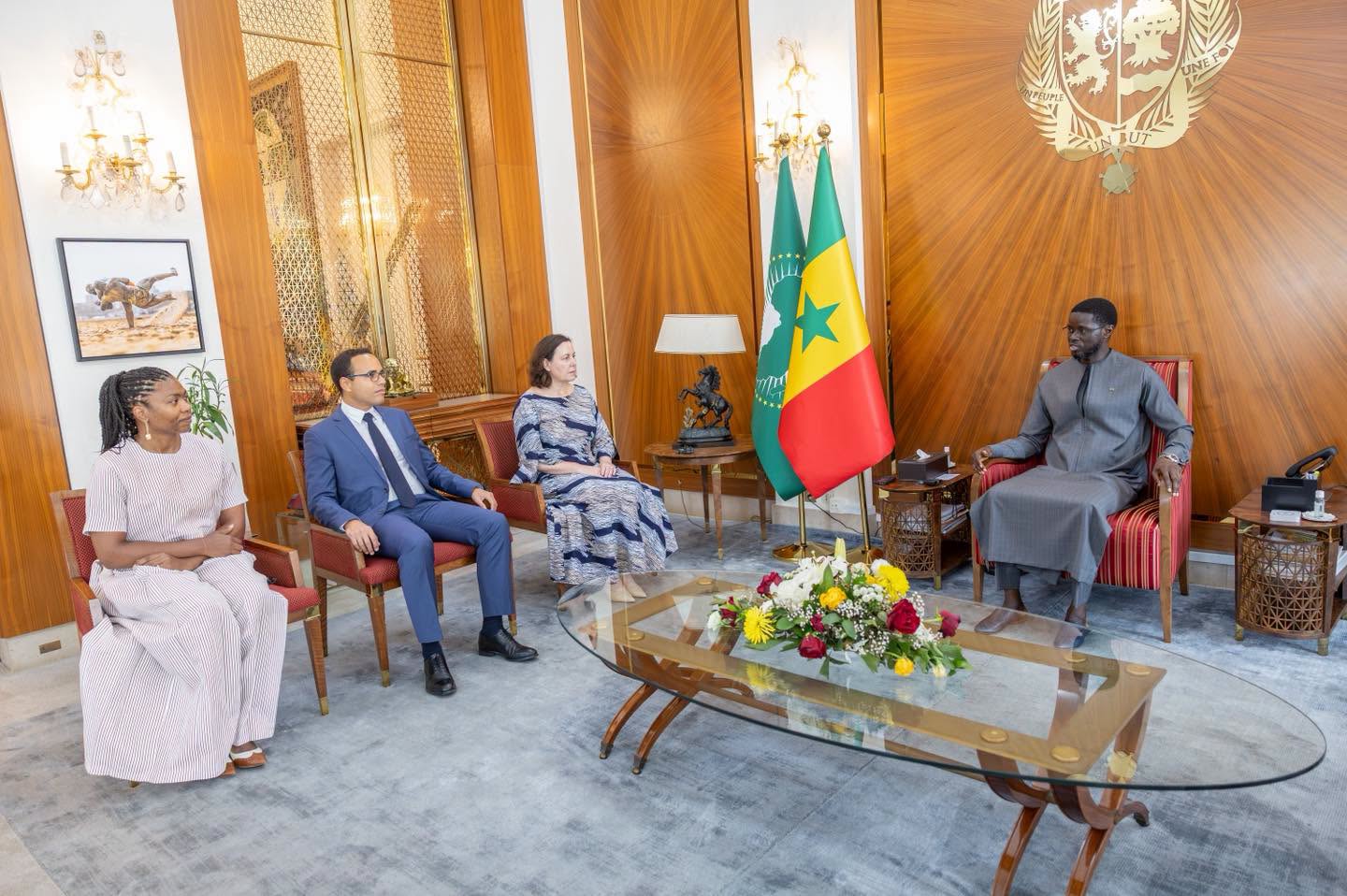
Inflation remained at 1.4%, and the first quarter of 2026 showed a rebound of 4.7% excluding hydrocarbons. The planned reforms include strengthening domestic revenue mobilization, rationalizing spending, consolidating social safety nets and improving public debt management.
In his face-to-face with the press, the Minister of Economy, Finance and Planning, Sheikh Diba, stressed the scope of the agreement. For him, it's about« a response for the needs of the people and the revival of the economy ». He presented this programme as the starting point for« a new dynamic in recovery, recovery and development ».
The Minister explained that the two weeks of discussions with IMF services allowed for a comprehensive diagnosis of the country's economic and fiscal situation, including the evolution of the government debt, before conducting an assessment of the government's financing needs. According to him, the challenge now is to gradually restore fiscal balance while preserving the foundations of economic growth.
Sheikh Diba assured that the government intends to continue its efforts to improve public finances, with particular attention to the energy sector and debt management. He added that public resources will be more focused on the priorities chosen by the State to support the transformation of the national economy.
The Minister also stressed that the agreement should enable Senegal to access more favourable financing conditions, facilitate the resumption of investment and strengthen the mobilization of external resources.
This agreement marks an important step for Senegal, which seeks to restore debt sustainability and strengthen its fiscal credibility, while mobilizing external financing to support economic recovery.
Mamadou SY