
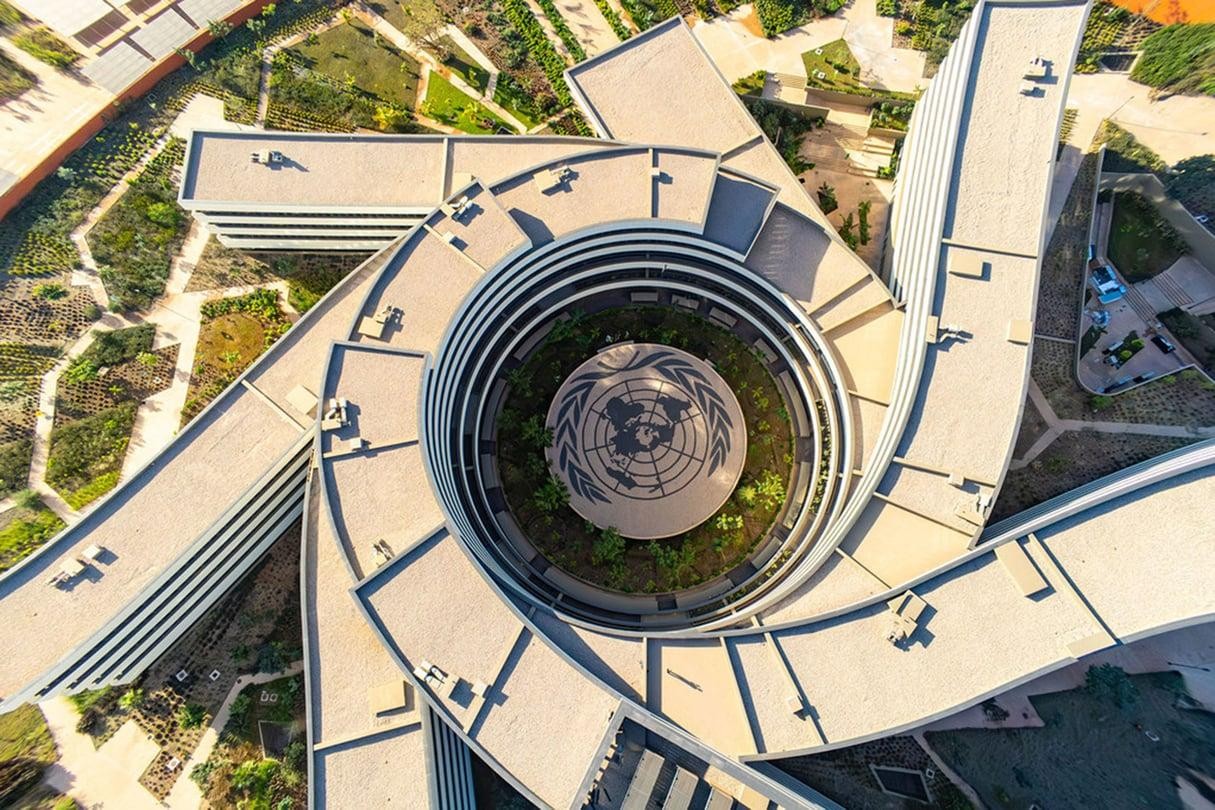
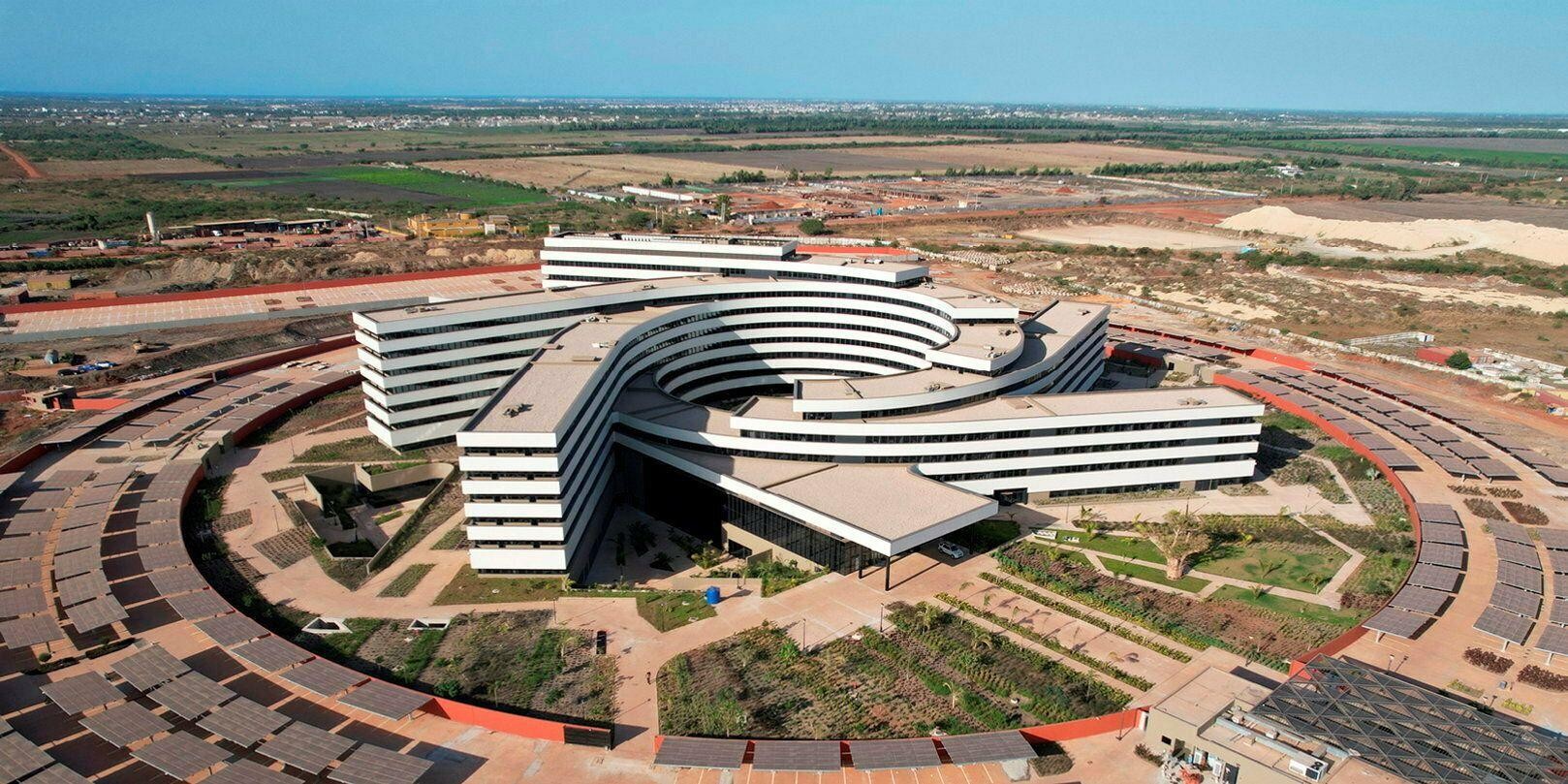
The entry into office of the United Nations House in Diamniadio marks a major step in the relations between Senegal and the United Nations system. More than just an administrative complex, this modern infrastructure embodies mutual trust between the two partners and reflects a common vision of development, international cooperation and spatial planning.
By choosing to group several UN agencies into one site in Diamniadio, the United Nations confirms their sustainable anchoring in Senegal, considered one of the most stable and influential countries in West Africa. For Dakar, this is an international recognition that reinforces its status as a regional diplomatic platform.
But beyond its institutional scope, the United Nations House also represents a powerful lever for territorial and economic transformation for Diamniadio, which will become one of Senegal's main administrative, economic and diplomatic centres of the twenty-first century.
Win-win partnership
For the United Nations, the United Nations House has several strategic benefits:
- a consolidation of all agencies and better coordination between them;
- a reduction in operating costs;
- pooling infrastructure and services;
- a modern environment that meets international standards;
- increased proximity to national institutions in Diamniadio.
For Senegal, the agreement goes well beyond hosting an international body.
It allows:
- consolidate the country's image as a privileged partner of multilateralism;
- strengthen its attractiveness to international organizations;
- increase its regional diplomatic influence;
- value the investments made in the development of Diamniadio.
According to the Presidency of the Republic of SenegalThis agreement will enable over 3.7 billion annual earnings in terms of saving on rents, maintenance and maintenance, contribution from the United Nations system and redeployment of certain State public services (Senegal retains 3 wings out of 6 of the building).
Diamniadio: Senegal's new window emerges
The effective installation of the United Nations House considerably strengthens the positioning of Diamniadio as a strategic city.
For several years, the State of Senegal has concentrated significant structural investments:
- Abdou Diouf International Conference Centre;
- Abdoulaye Wade Stadium;
- the Regional Express Train (TER);
- Ministerial spheres;
- Amadou Mahtar Mbow University;
- industrial areas;
- Modern real estate programs.
The presence of the United Nations now adds a diplomatic and international dimension to this ecosystem.
Diamniadio is no longer just a new city. It is gradually becoming a decision-making centre where public administration, the private sector, international institutions and development partners intersect.
A sustainable economic impact
The installation of UN agencies generates direct and indirect economic activity.
Around the United Nations House are gradually developing:
- catering services;
- transport activities;
- hotel infrastructure;
- advisory offices;
- service companies;
- coworking and business spaces.
The permanent presence of international civil servants, experts, consultants and foreign delegations also helps to support real estate demand and boost the local economy.
In the medium term, this concentration of activities could contribute to The emergence of a real international neighbourhood comparable to those found around United Nations headquarters in Nairobi, Geneva or Vienna.
A diplomatic asset for Senegal
The United Nations House is also a tool for economic diplomacy.
In a context of increased competition among States to attract investment, institutions and international partners, Senegal is strengthening its image as a stable, modern and open country for international cooperation.
This institutional presence helps to consolidate the place of Dakar and Diamniadio as a diplomatic hub of West Africa.
It could also encourage other international organisations, regional agencies or financial institutions to establish themselves in this new urban hub.
An illustration of tomorrow's Senegal
The United Nations House is now one of the most visible symbols of the transformation of Diamniadio.
It reflects a broader ambition: building a city capable of concentrating the administrative, economic, academic, industrial and diplomatic functions of modern Senegal.
Through this infrastructure, Senegal demonstrates its capacity to welcome leading international institutions and to develop new urban centres adapted to the challenges of the 21st century.
The agreement with the United Nations thus goes beyond the scope of mere institutional cooperation. He is involved in building a new territorial model where diplomacy, economic development and urban planning converge to shape Senegal of tomorrow.