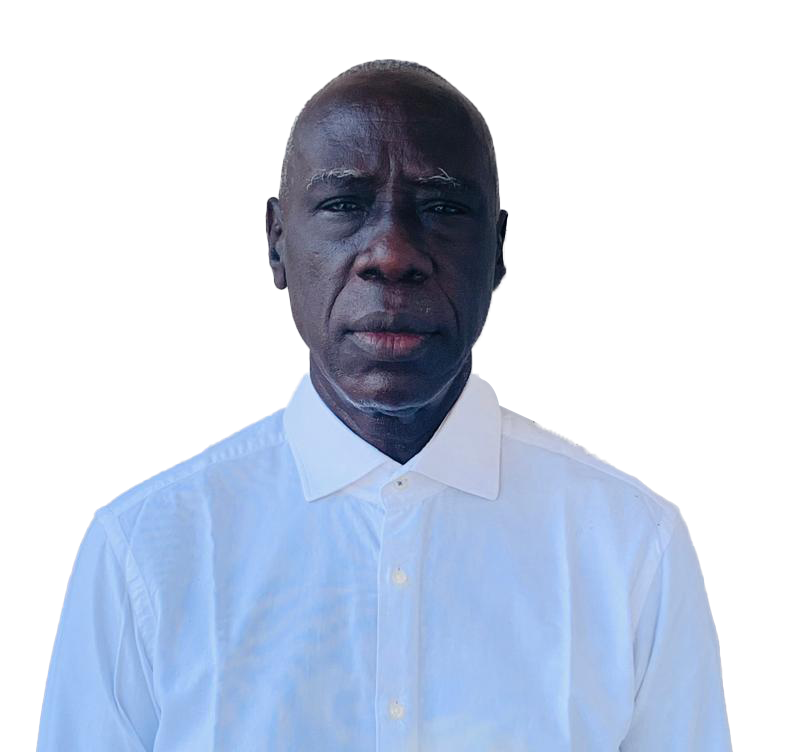

By Professor Amadou Diallo, Director of the International Relations Research Centre, Sheikh Anta Diop University in Dakar.
When the great powers are around the G20 table, the UN Security Council or climate summits, Africa is often represented by a multitude of discordant voices. This diplomatic fragmentation has a considerable cost to the continent.
There are 54 States members of the United Nations in Africa, almost one quarter of the General Assembly. Yet this potential mass of votes and influence is rarely mobilized in a coordinated manner. The African Group at the United Nations exists, but its positions are often the result of minimal compromises that dilute the scope of African claims.
The adoption of the African Continental Free Trade Area (AFTAAF) is an encouraging model: long and difficult negotiations have led to a single agreement that speaks for the whole continent. This approach must be extended to the areas of security, climate and international finance.
Reform of the African Union, with the creation of a strengthened rotating presidency and a continental diplomatic service, is an urgent priority. Africa can no longer afford the luxury of division in the face of the global challenges of the twenty-first century.