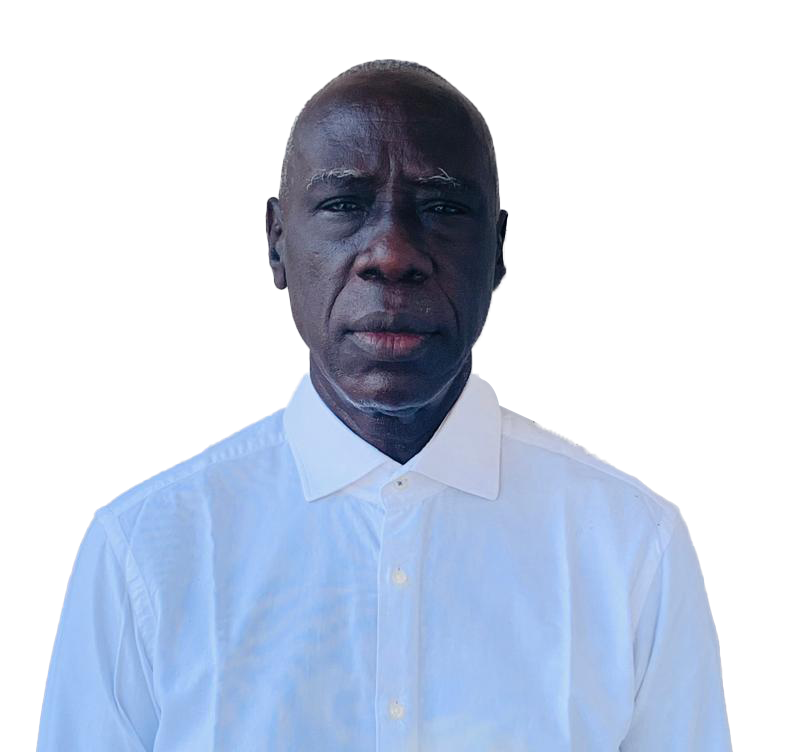

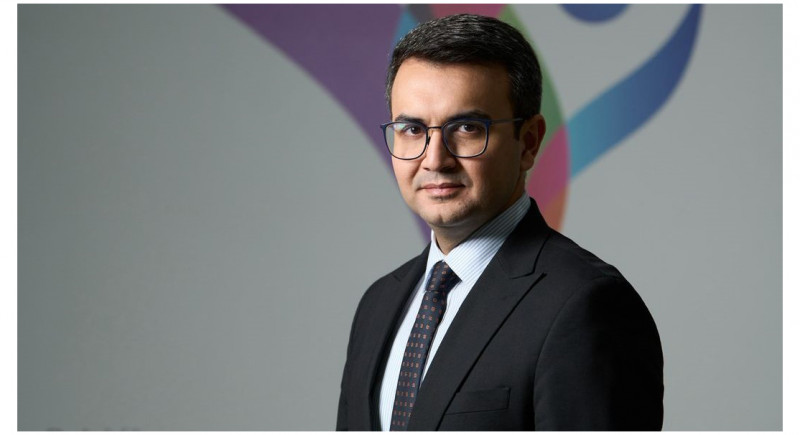
1) Dr. Hasanov, could you briefly outline your professional background and explain to our readers what your role as Executive Director of the Baku International Multiculturalism Centre is?
My career path has been marked by a keen interest in public service, international cooperation, intercultural dialogue and the promotion of mutual understanding between different communities. Over the years, I have had the opportunity to work with government institutions, academia, religious communities, civil society representatives and international partners. These experiences have helped to understand that dialogue is most effective when it is not limited to formal statements, but based on real human relations and concrete cooperation.
As Executive Director of Baku International Multiculturalism CentreMy main responsibility is to direct the Centre ' s activities both in Azerbaijan and internationally. Our mission is to study, promote and share Azerbaijan's experience in multiculturalism, religious tolerance and peaceful coexistence.
The Centre operates in several directions. We organize international conferences and university programmes, cooperate with universities and research institutes, support educational initiatives and maintain close dialogue with different religious and ethnic communities. We also work with young people, academics, journalists and international experts, because I am convinced that multiculturalism must be understood not only as a policy, but also as a culture of daily respect.
For me personally, this position has a great responsibility. Azerbaijan has a long tradition of cohabitation between people of different religions and ethnic origins, and our task is not simply to talk about this experience, but to preserve it, develop it and make it better understood internationally. At a time when many societies are facing polarization, intolerance and growing mistrust, I think our work has become even more relevant.
2) Azerbaijan is often seen as a model of multiculturalism and interfaith coexistence. What are the key principles behind this model, and why do you think it has gained international recognition?
I believe that the Azerbaijan model of multiculturalism is based primarily on a very simple principle: people of different ethnic, religious and cultural backgrounds must be able to live together in dignity, security and mutual respect.
This is not a recent phenomenon. Azerbaijan has always welcomed Muslims, Jews, Christians and representatives of many ethnic communities. Over the generations, coexistence has been integrated into the social fabric of the country. In many places, the population does not regard religious or ethnic diversity as something unusual; it is just part of everyday life.
Another important principle is that multiculturalism in Azerbaijan is supported at the state level. The protection of religious freedom, cultural heritage and the rights of different communities is considered an essential element of public policy. At the same time, I would say that legislation alone is never enough.
What gives full meaning to this model is the combination of state support and traditions already rooted in society..
Dialogue is also essential. The various religious communities in Azerbaijan maintain regular contacts with each other, and the emphasis is strongly on cooperation rather than isolation. We strive to create spaces where religious leaders, academics, youth and representatives of different communities can meet, speak openly and learn from each other.
I think this experience has attracted international attention because today many societies are looking for concrete ways to manage diversity without allowing differences to become a source of division. Azerbaijan offers an example of a Muslim majority society that has preserved long-standing Jewish and Christian communities and where interfaith coexistence is considered a normal component of national life.
Of course, no society should claim to have solved all the challenges. Multiculturalism requires continuous work, education and dialogue. But I believe that Azerbaijan's experience is valuable precisely because it shows that diversity can be approached not as a threat, but as a shared force and responsibility.
3) In a world increasingly marked by geopolitical tensions and identity conflicts, how can multiculturalism contribute to peace, diplomacy and international cooperation?
I believe that multiculturalism can play a very concrete role in strengthening peace and international cooperation, especially at a time when political tensions are increasingly interfering with issues of identity, religion and culture.
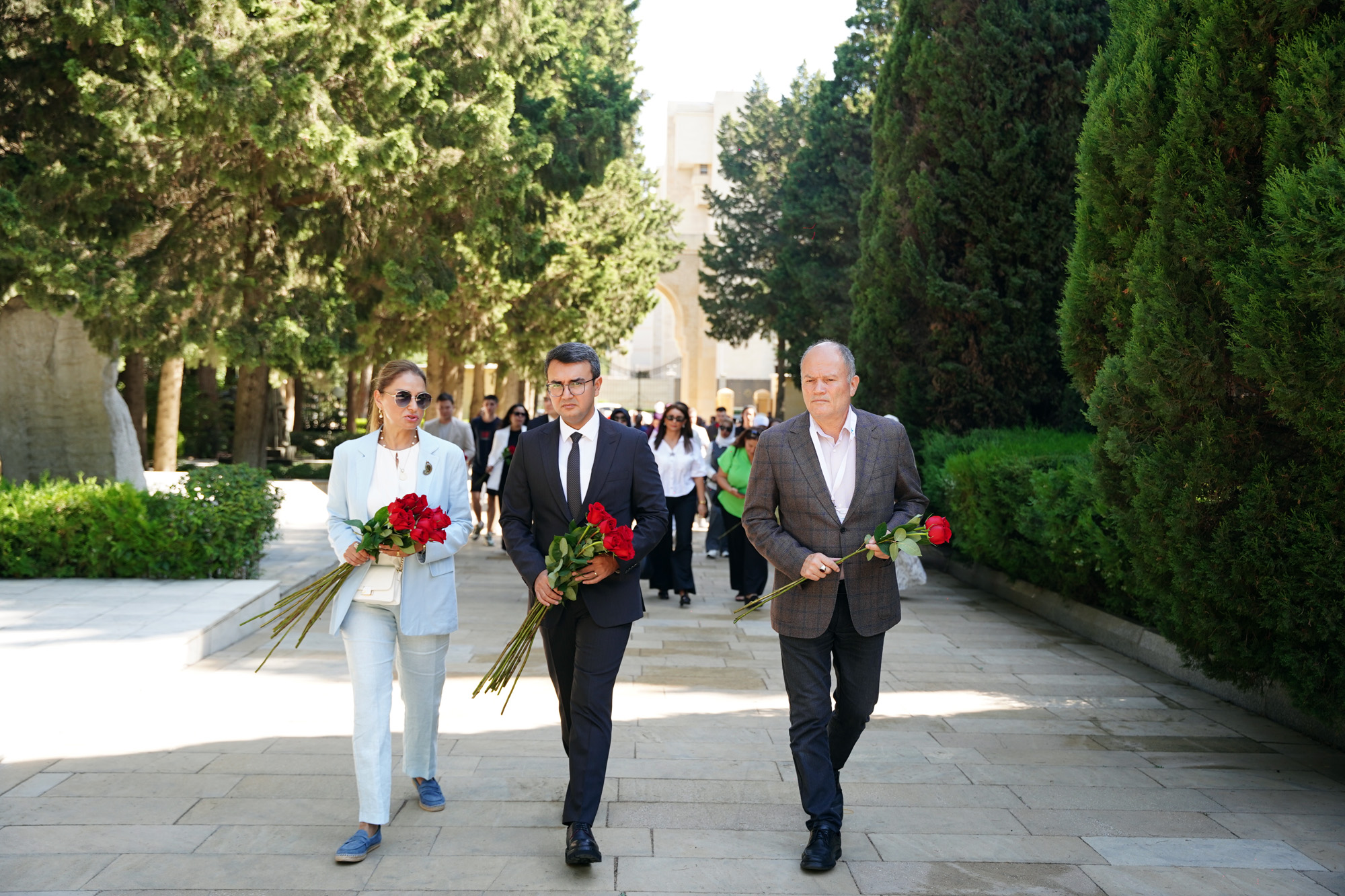
Many conflicts become more difficult to resolve when communities cease to regard themselves as partners and begin to perceive themselves only through stereotypes or historical grievances. Multiculturalism helps create a different environment — an environment where differences are recognized but do not automatically become fracture lines.
In diplomacy, this is of particular importance. Political agreements are necessary, but lasting peace also depends on trust between societies. Governments may sign documents, but if people continue to perceive themselves with fear or hostility, these agreements remain fragile.
Cultural dialogue, interfaith cooperation, academic exchanges and contacts among peoples can help to establish the social foundations that diplomacy needs.
From the point of view of Azerbaijan, we have found that dialogue between different religious and cultural communities can also become a form of diplomacy. When representatives of different faiths meet in Baku, when academics and young people from different countries participate in our programmes, or when we organize international conferences on tolerance and coexistence, we create channels of communication that go beyond traditional political diplomacy.
Multiculturalism does not mean that societies must ignore their differences. On the contrary, it means learning to manage these differences with respect and responsibility. In my view, this is one of the most important lessons for the international community today.
If we want more stable and peaceful societies, we need not only political negotiations but also a culture of listening, mutual respect and human ties. Multiculturalism can help create these very foundations.
(4) The Baku International Multiculturalism Centre has become an important platform for intercultural dialogue. What are its main priorities for 2026, including education, research and international partnerships?
By 2026, our priorities revolve around three main areas: education, research and the strengthening of international cooperation.
With regard to education, we wish to continue to develop the teaching of Azerbaijani multiculturalism at both national and foreign levels.
One of our long-term goals is to work more closely with universities, students and young researchers, as attitudes to diversity are forged not only through public policies but also through education. Our international summer and winter universities remain an important part of this work, as they bring together young people from different countries in Azerbaijan and allow them to discover our model of coexistence directly, rather than simply read descriptions.
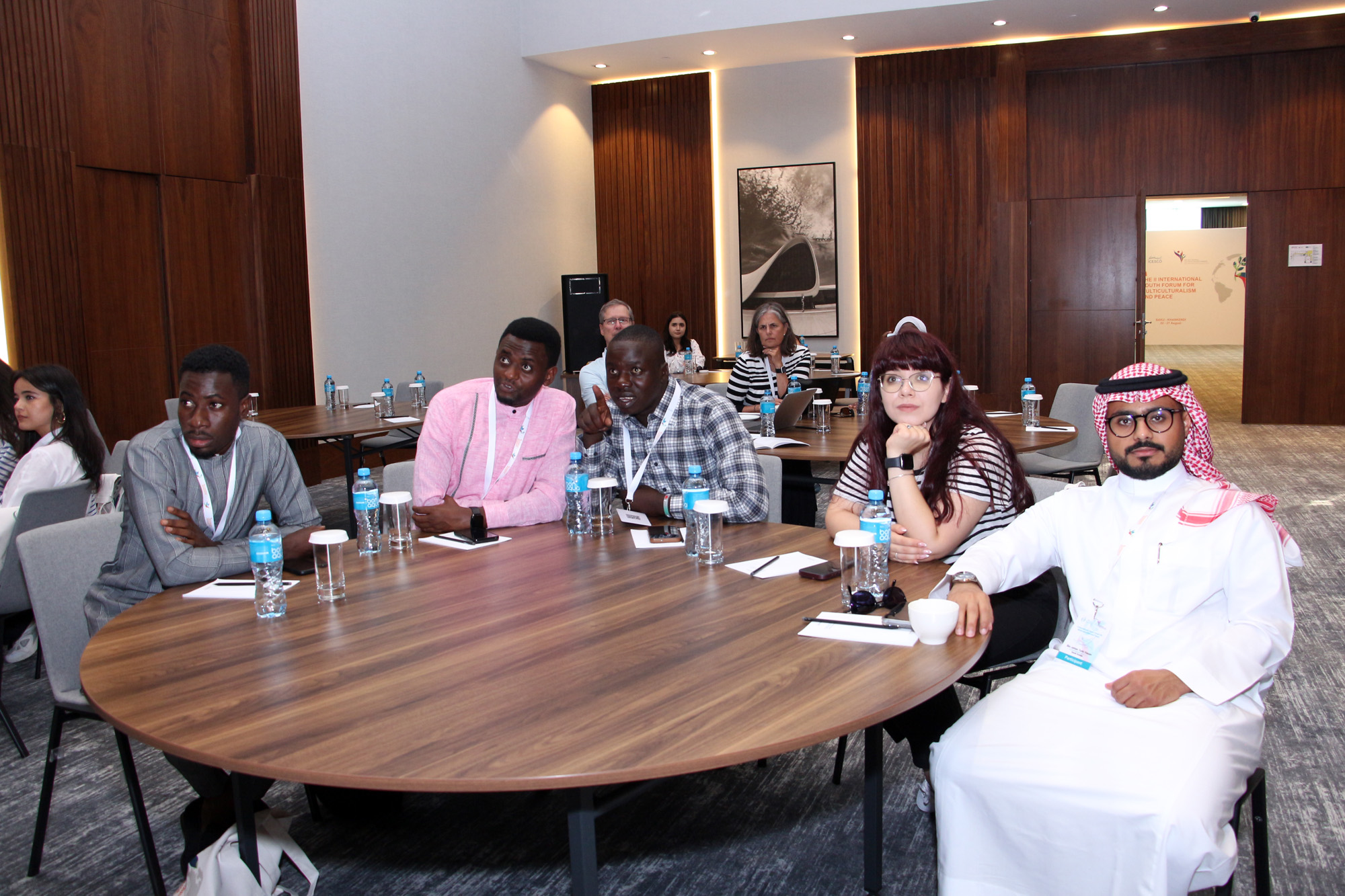
In terms of research, we focus on the study of ethnic and religious communities, the historical evolution of multicultural traditions in Azerbaijan and the contemporary challenges facing diverse societies. I think that research is of particular importance today, because debates on multiculturalism are often highly politicized. We need rigorous academic work, reliable data and comparative studies that can help us understand what works, what does not work and why.
International partnerships are another major priority. We aim to deepen cooperation with universities, research centres, international organizations, religious institutions and think tanks in different regions. In particular, we want more joint projects, conferences, publications and academic exchanges, rather than limiting cooperation to one-off events.
We also wish to strengthen direct dialogue between communities. This includes religious leaders, representatives of ethnic minorities, youth, academics and civil society. For me, this is essential because multiculturalism only makes sense when people are not simply represented but are actively involved in the debate.
Our broader goal for 2026 is to make the Centre an even stronger bridge between Azerbaijan and the international community. We want to share our own experience, but also, at the same time, learn from others. Multiculturalism must never be a one-way message; It must be a continuous exchange of experiences, ideas and concrete solutions.
(5) Africa is one of the most culturally diverse continents in the world. How do you envisage the possibilities of cooperation between the Baku International Multiculturalism Centre and African institutions, universities and think tanks?
Africa is one of the most culturally, ethnically and religiously diverse regions of the world, and this is why I think there is considerable potential for cooperation between the Baku International Multiculturalism Centre and African institutions..
Education is one of the most promising areas. We would be very interested in developing cooperation with African universities through joint courses, university exchanges, summer and winter universities, conferences given by outside actors, and research programmes on multiculturalism, religious coexistence, identity and social cohesion. I think that students from Azerbaijan and African countries have a lot to learn from each other.
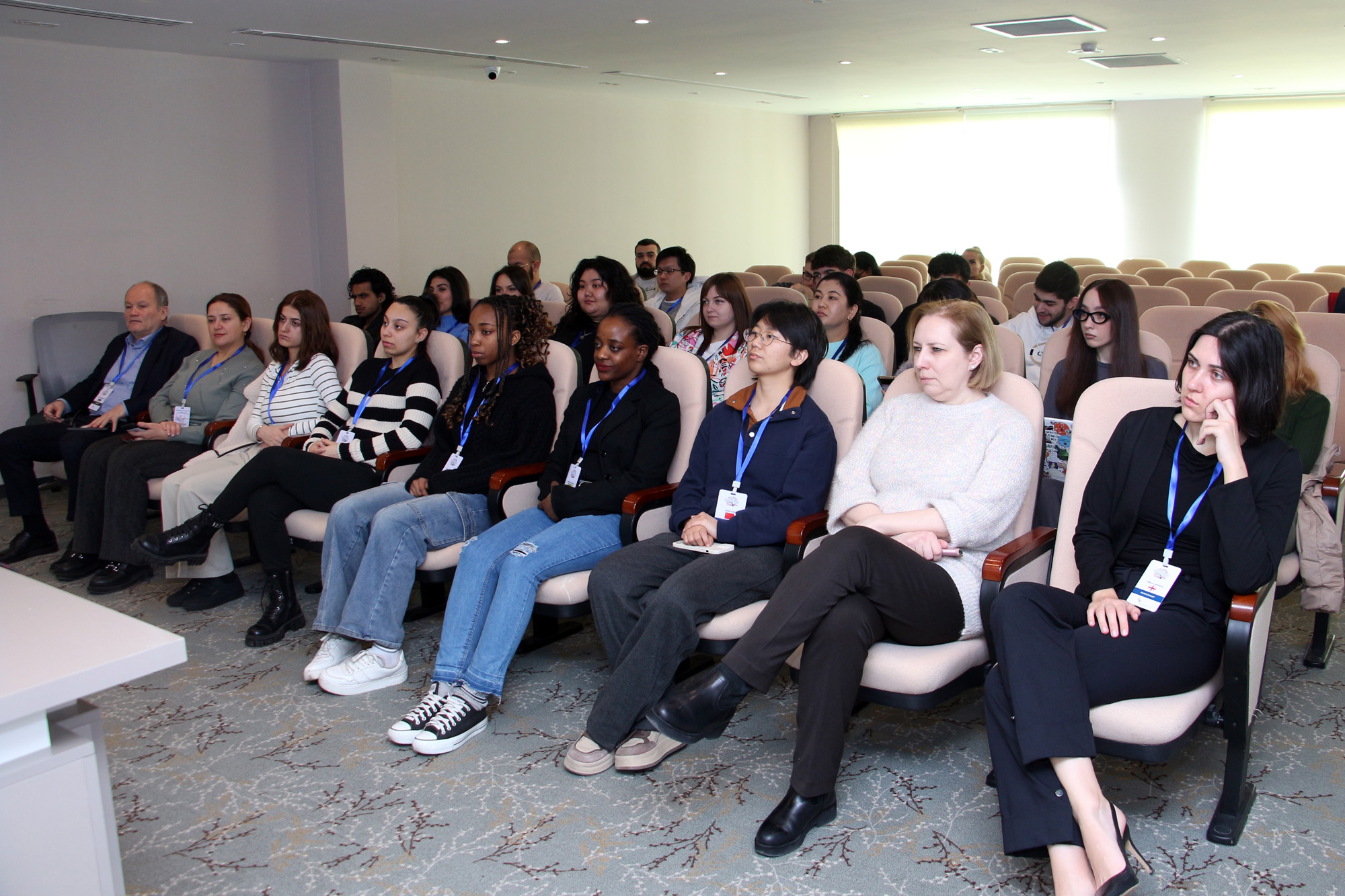
Another important area is research. Many African societies have extensive experience in managing linguistic, ethnic, religious and cultural diversity. Azerbaijan also has its own historical experience of coexistence. Comparative research between our regions could therefore be extremely valuable. Rather than addressing multiculturalism only from a European perspective, we should create more opportunities for researchers in Africa, Asia, the Middle East and the South Caucasus to bring their own experiences and ideas to the global debate.
There is also considerable potential for cooperation with think tanks, cultural institutions, religious organizations and civil society. We could organize joint conferences, expert round tables, publications and programmes focusing on issues such as tolerance, combating hate speech, interfaith dialogue, youth engagement and prevention of identity-related conflicts.
I also believe that cooperation with Africa should not be symbolic or confined to ad hoc events. It must be based on long-term institutional relations and regular exchanges. The Baku International Multiculturalism Centre can serve as a platform linking academics, community leaders and African institutions to their counterparts in Azerbaijan.
Ultimately, both Azerbaijan and African countries have valuable experiences to share. By sharing these experiences, we can build a stronger dialogue on how cultural and religious diversity can contribute, not to division, but to peace, development and mutual understanding.
(6) The Centre regularly organizes international forums, university seminars, youth initiatives and intercultural dialogue programmes. Among the major events or initiatives planned this year, which would you particularly like to highlight?
One of the most important events I would highlight this year is the World Forum on Intercultural Dialogue in Baku.
Over the years, this forum has become one of the main global platforms bringing together political leaders, international organizations, academics, religious representatives, civil society and experts to discuss how dialogue can contribute to peace and mutual understanding. It is part of the broader framework of the « Baku Process », launched by Azerbaijan to build a bridge for dialogue between different cultures and regions. UNESCO has already described this Forum as « major international event on intercultural dialogue ».
For us, at the Baku International Multiculturalism Centre, this year's Forum will be of particular importance, as our Centre will organize a special round table for this event. We would like to take this opportunity not only to present Azerbaijan's experience, but also to bring together international voices and to reflect in depth on the challenges that multicultural societies face today. I am convinced that Baku can provide a very favourable framework for this dialogue, especially at a time when there is growing polarization, religious intolerance, hate speech and identity tensions in different parts of the world.
Along with the Forum, we continue to place great importance on our international summer and winter universities dedicated to multiculturalism. These programmes attract students and young researchers from different countries to Azerbaijan. What makes their value is that participants do not just attend master classes. They visit different regions, meet religious and ethnic communities, and see for themselves how diversity is reflected in everyday Azerbaijani society.
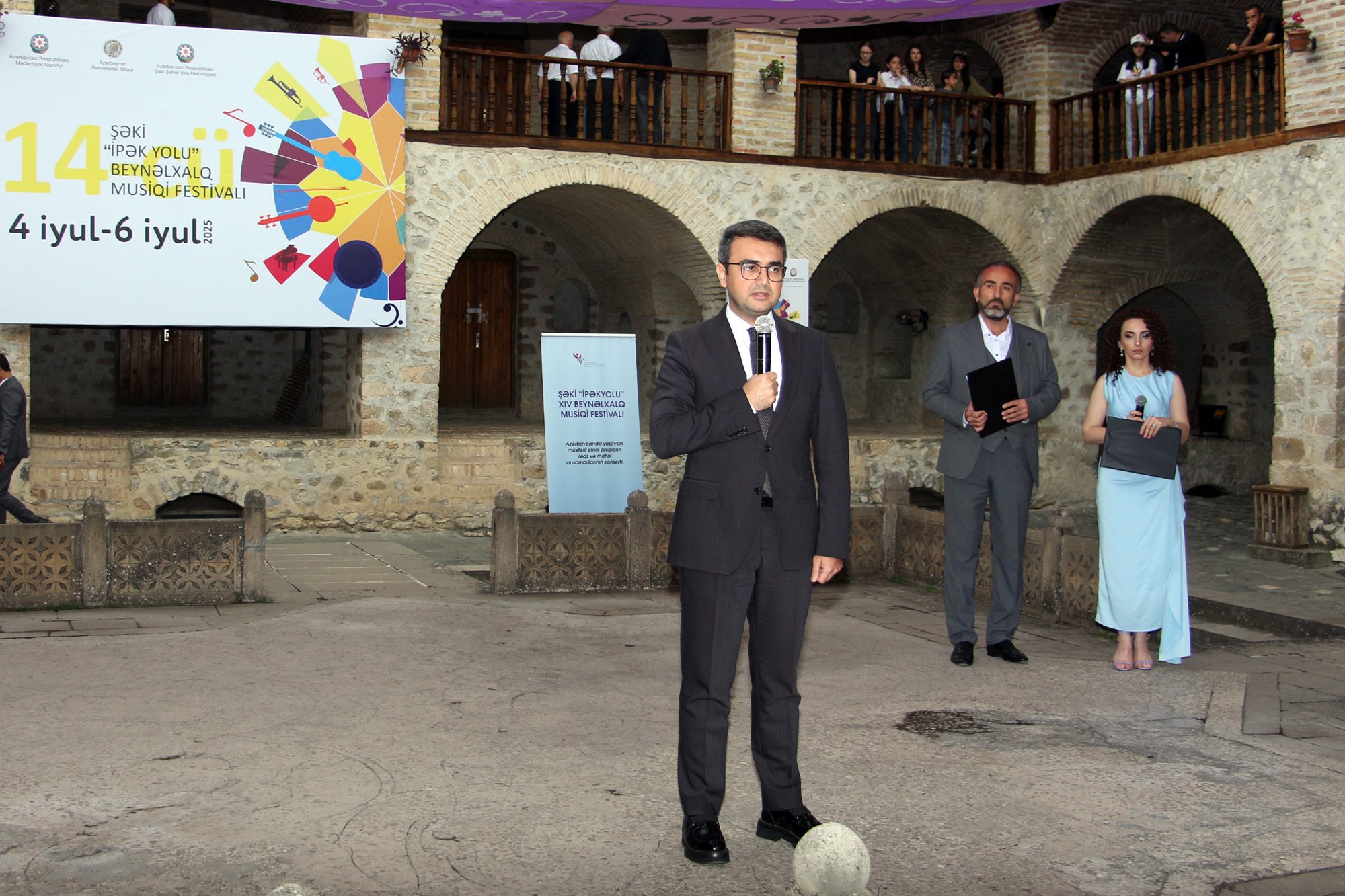
We also continue our academic conferences, research projects, youth initiatives and interfaith dialogue programs. At the same time, we are strengthening our cooperation with universities and research institutes abroad and we are striving to involve more international researchers in joint research, publication and teaching projects.
Another area that I consider particularly important is the expansion of our international scope. We are already engaged in active dialogue with partners in Europe, Asia and the Middle East, and we now wish to establish stronger and more systematic relations with institutions in Africa as well.
(7) Your Centre has expanded its international engagement through dialogue with religious leaders and participation in global conferences. What is the importance of these partnerships in promoting mutual understanding among nations?
These partnerships are extremely important, because mutual understanding among nations cannot be built solely through official diplomacy. Governments have their own channels of communication, but religious leaders, academics, cultural institutions and civil society often touch people at a much more personal level.
For the Baku International Multiculturalism Centredialogue with religious leaders is of particular importance. Religious communities can play a very positive role in reducing prejudice, preventing intolerance and building confidence. When respected religious leaders speak together about peace, dignity and coexistence, their message can have a strong influence within their own communities.
Our participation in international conferences and dialogue platforms also gives us the opportunity to share Azerbaijan's experience, but also, equally important, to listen to others' experiences. We do not see international cooperation as a one-way process.
Each society has its own history, challenges and lessons, and constructive dialogue requires that we learn from each other.
I also think that personal relations are of great importance. Very often, cooperation begins with a formal conference or meeting, but it is greatly enhanced when it leads to long-term academic projects, exchanges, joint initiatives and regular communication between institutions.
At a time when religion and identity are sometimes used to deepen divisions, these partnerships can help demonstrate the opposite: that religious and cultural diversity can also become a basis for cooperation.
That is why we see international engagement as an essential part of our work. If we want to reduce stereotypes and mistrust between societies, we need more direct contacts, more dialogue and more opportunities for people to understand themselves beyond the headlines of politics.
(8) Digital technologies and artificial intelligence transform global communication. How can these tools be used to promote intercultural dialogue while fighting hate speech, intolerance and misinformation?
Digital technologies and artificial intelligence have enormous potential to support intercultural dialogue, but they also pose major new challenges. The same tools that connect people across borders can also spread stereotypes, hate speech and false information much faster than before.
I think the first opportunity is education. Digital platforms can provide millions of people with knowledge about different cultures, religions and communities. Artificial intelligence can facilitate multilingual communication, translation, educational programmes and wider access to historical and cultural resources. When used responsibly, these tools can help people understand societies they may never have had direct contact with.
At the same time, we must remain realistic about the risks. Algorithms can amplify polarizing content, as high emotional load content often attracts more attention. Disinformation can also be produced and disseminated on a much larger scale. This means that technology companies, governments, educational institutions and civil society all have a responsibility to promote digital culture and encourage people to check information rather than just react to what they see online.
Artificial intelligence can also help identify harmful patterns, coordinated misinformation and hate speech, but I do not think technology alone can solve these problems. Human judgment remains essential, especially when it comes to religion, culture, history and sensitive political subjects. Automated systems can misinterpret the context; protection measures and transparency are therefore essential.
For the Baku International Multiculturalism Centre, I see digital technologies as an opportunity to reach a younger audience and broaden international dialogue.
We can create digital educational content, online discussions, virtual exchanges, multilingual resources and platforms where young people from different countries can communicate directly.
Ultimately, the objective should not be limited to speeding up communication. It must be about making communication more accountable. Technology must help us to reduce the distance between people, not to widen divisions. If we combine innovation with education, ethical standards and respect for cultural diversity, digital technologies and artificial intelligence can become powerful tools to promote mutual understanding.
(9) What message would you like to send to African policymakers, diplomats and young leaders about the importance of multiculturalism in building resilient and inclusive societies?
My message would be that multiculturalism should not be seen simply as a cultural idea or a question of tolerance. It is also an essential pillar of social stability, national resilience and long-term development.
Africa's strength lies in its extraordinary diversity. The different ethnic groups, religions, languages and traditions are an integral part of the continent's identity. The challenge for policymakers and future leaders is not to erase these differences, but to create social institutions and environments in which diversity can flourish within a strong sense of shared citizenship.
For diplomats and policymakers, this means investing in dialogue, inclusive education, equal participation and policies to prevent discrimination and marginalization. When individuals feel respected and represented, societies are strengthened and better able to resist polarization and extremism.
For young leaders, I would like to highlight one equally important point: do not let political or social differences prevent you from engaging in dialogue with each other.
Many divisions get worse because people stop communicating and only know each other through stereotypes. Direct contact, education, cultural exchanges and sincere dialogue can change the situation. The very experience of Azerbaijan has taught us that different religious and ethnic communities can preserve their identity while sharing a common national space. I believe that this principle applies far beyond Azerbaijan.
We would also be very interested in developing closer cooperation with African institutions and young leaders, as multiculturalism should be the subject of a global debate in which Africa has an important voice.
Ultimately, inclusive societies do not create themselves by asking everyone to become identical. They are created when people with different identities feel they belong to the same future. This, in my view, is one of the most important foundations for lasting peace and resilience.
10) Finally, what is your vision for the future of Baku's International Multiculturalism Centre, and how do you see its role evolving to strengthen international cooperation over the next decade?
My vision is that Baku International Multiculturalism Centre become an even stronger international platform for dialogue, research, education and practical cooperation between cultures and religions.
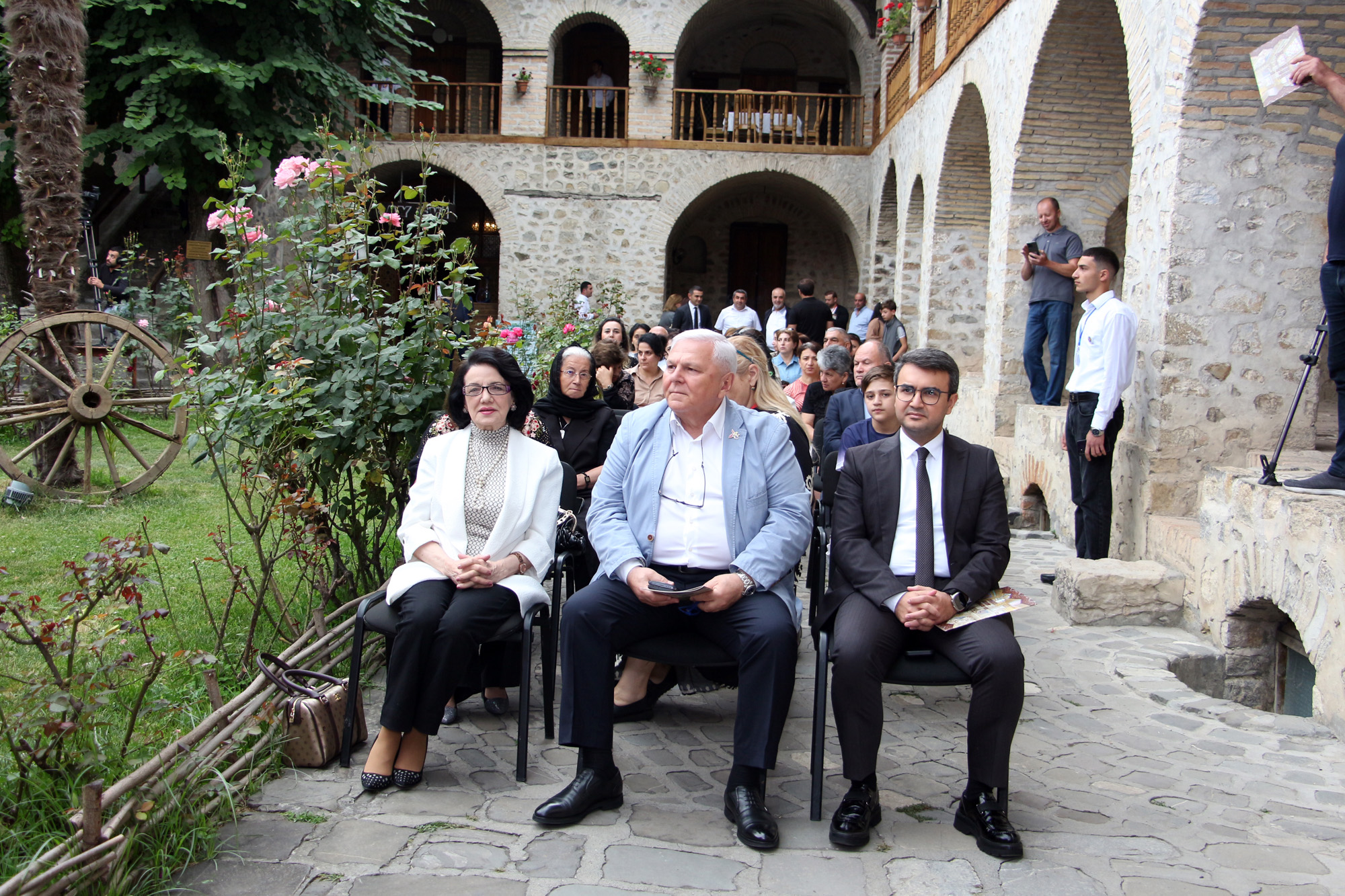
Over the next decade, I believe that our role should go beyond simply presenting the Azerbaijani experience of multiculturalism. Of course, sharing our own model will remain important, but I would like the Centre to become increasingly a place where the experiences of different parts of the world intersect. — Europe, Africa, Asia, the Middle East and other regions. Multiculturalism is a global issue, and no country alone holds all the answers.
Education will remain one of our top priorities. We want to expand our cooperation with universities, develop more university programs and joint research projects, and create new opportunities for students and young researchers. I particularly believe in the importance of investing in younger generations, as the future of intercultural dialogue will ultimately depend on them.
At the same time, I would like the Centre to establish a broader network of partnerships with international organizations, think tanks, religious institutions, universities and civil society organizations. These partnerships should lead not only to conferences, but also to concrete projects, joint publications, exchange programmes, policy recommendations and long-term institutional cooperation.
Technology will also become increasingly important. Digital platforms and artificial intelligence offer us new opportunities to reach audiences across borders, develop multilingual teaching resources and connect young people and experts who, without that, might never have the opportunity to meet.
Another important direction will be to strengthen our engagement with regions that are sometimes underrepresented in international debates on multiculturalism. Africa, in particular, has an immense cultural and religious diversity and a very important contribution to make. I would like to see much closer cooperation between the Centre and African universities, institutions, policymakers and young leaders in the coming years.
In the long run, I see the Centre becoming a Global bridge for dialogue — a place where people with different cultural, religious and political perspectives can meet without necessarily having to agree on everything. Dialogue is not about eliminating differences. The aim is to create sufficient confidence and respect so that these differences do not prevent cooperation.